BPC 157 Buy: How to Find Trusted Sources for Quality
BPC 157 Buy: How to Find Trusted Sources for Quality
BPC 157 is a synthetic peptide that appears in the scientific literature primarily in preclinical (non-human) research contexts. When evaluating vendors that sell BPC 157 as a research compound, the core considerations are documentation, chain-of-custody, analytical testing, and whether the material is represented and labeled for laboratory use only.
Finding high-quality BPC 157 involves more than typing a keyword into a search engine. This guide walks through sourcing considerations, high-level regulatory context, pricing patterns, and quality controls that can help researchers assess whether a supplier’s material is appropriate for experimental work.
---
Table of Contents
- What is BPC 157 and Why It’s in Demand?
- Understanding the Legal and Safety Aspects of BPC 157
- Key Factors to Consider When Buying BPC 157
- How to Identify Reliable and Trustworthy Suppliers
- BPC 157 Pricing: What to Expect and How Much You Should Pay
- Why Quality Matters When Purchasing Peptides
- Key Takeaways
- Frequently Asked Questions
What is BPC 157 and Why It’s in Demand?
BPC 157 is a synthetic peptide that is often described as being derived from a larger protein fragment associated with “body protection compound” terminology in gastric contexts. In peer-reviewed publications, BPC 157 is discussed mainly in laboratory and animal-model research that explores mechanistic questions such as signaling pathways, tissue-level responses, and biomarker changes under controlled experimental conditions.
Interest in the compound has increased because multiple preclinical studies report measurable biological activity in experimental systems. At the same time, the overall evidence base remains largely non-clinical, and BPC 157 is not FDA-approved as a drug for any indication. Any discussion of sourcing therefore should remain confined to research procurement and experimental integrity.
---
Understanding the Legal and Safety Aspects of BPC 157
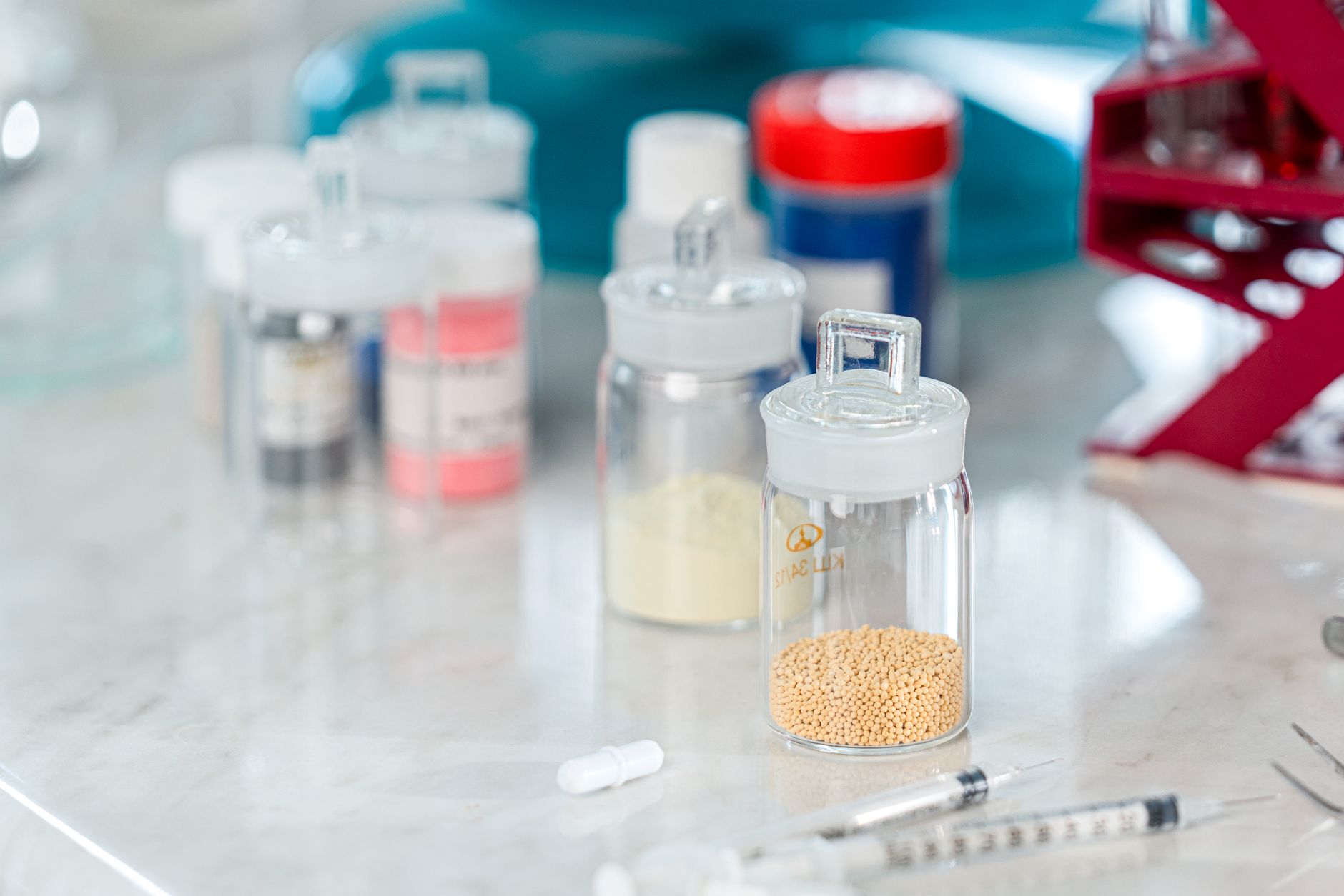
In the United States, BPC 157 is commonly sold as a research compound and is not approved by the FDA for human consumption or for use as a medical treatment. Materials marketed for laboratory research should be labeled accordingly, and reputable suppliers typically avoid marketing language that suggests human use.
From a research safety and quality perspective, peptides can be sensitive to factors that may affect stability and analytical results (for example, time, temperature excursions during transit, moisture exposure, or repeated container opening). For this reason, supplier quality systems matter: researchers often look for evidence of third-party analytical testing and documentation that supports identity and purity.
> Pro Tip: In our experience reviewing vendor documentation, third-party Certificates of Analysis (COAs) and clearly stated quality procedures are practical markers of supplier seriousness.
---
Key Factors to Consider When Buying BPC 157
Several factors can materially affect whether a purchased peptide is suitable for laboratory work:
Some peer-reviewed literature has discussed contamination and variability risks when peptides are sourced from poorly controlled channels. Accordingly, documented analytical verification (rather than marketing claims) is generally the most defensible basis for procurement decisions.
---
How to Identify Reliable and Trustworthy Suppliers
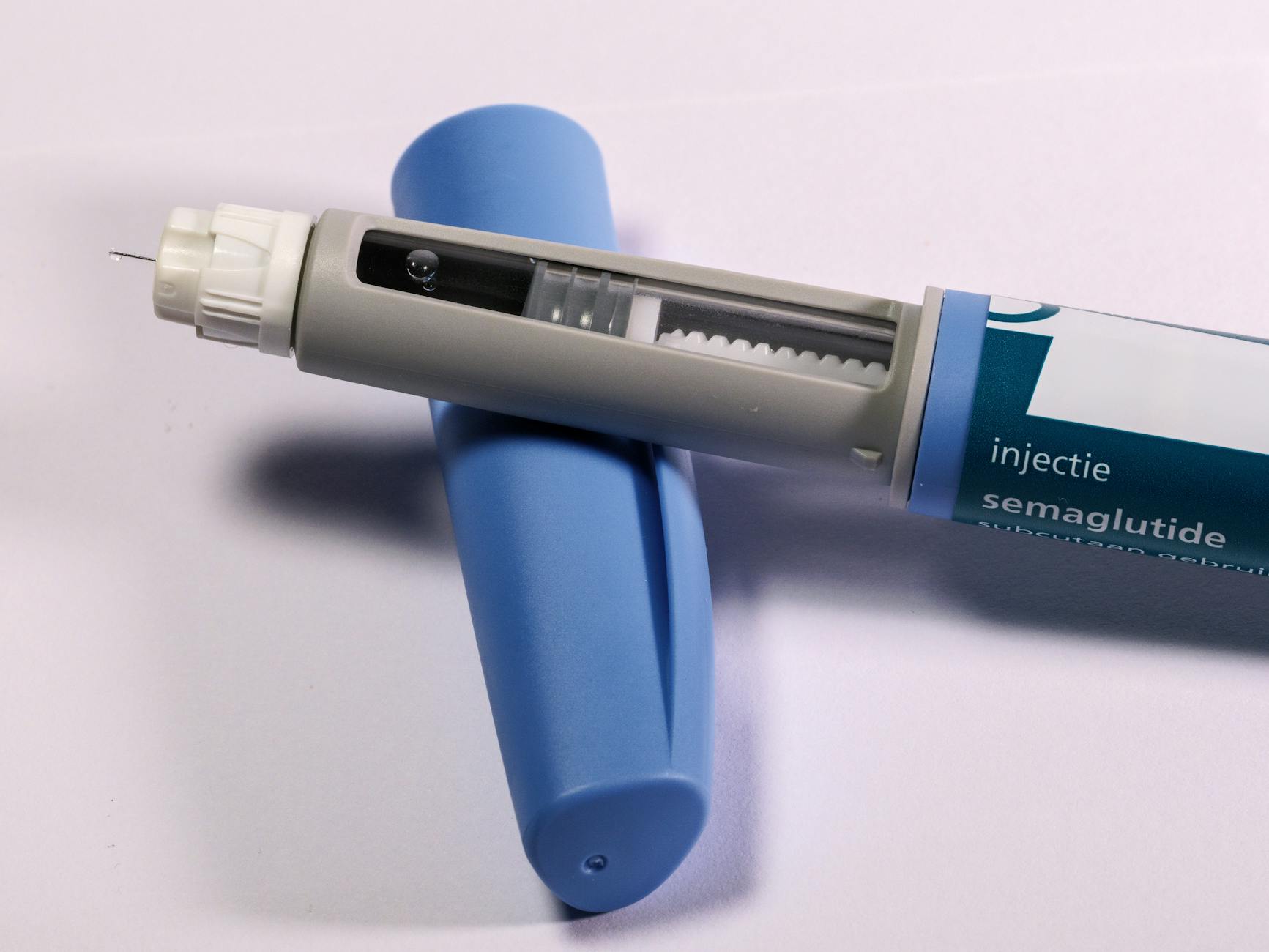
Identifying a trustworthy supplier helps reduce the risk of receiving misidentified or low-integrity material. Common indicators researchers look for include:
- Transparent Documentation: COAs tied to the specific lot number and dated within a reasonable window. Where possible, COAs from ISO-accredited laboratories are a meaningful signal.
- GMP or Quality-System Alignment: While “GMP” can be used imprecisely in marketing, suppliers should at minimum describe their quality controls, release criteria, and handling procedures in concrete terms.
- Customer Support: The ability to answer technical questions about analytical methods, lot numbers, and documentation (without steering toward human use) can indicate professionalism.
- Research Peptide-Specific Focus: Vendors that explicitly focus on laboratory and research sales may be more consistent about compliant labeling and documentation.
For more insights into peptide sourcing differentiation, see this article comparing BPC 157 and TB 500.
---
BPC 157 Pricing: What to Expect and How Much You Should Pay
Market pricing for research-grade peptides can vary based on synthesis route, purification standards, analytical testing depth, and packaging/handling controls. Many vendors list BPC 157 within a broad range (often around $50 to $100 per vial), but list price alone is not a reliable proxy for quality.
Consider these cost-related variables:
- Testing and Documentation: More robust third-party testing and lot traceability can increase costs.
- Shipping and Handling: Packaging designed to limit transit stressors (and the choice of carrier speed) can affect total cost.
---
Why Quality Matters When Purchasing Peptides
Quality directly impacts research outcomes. If a peptide’s identity, purity, or stability differs from what is claimed, experimental results can become difficult to interpret or reproduce. Researchers commonly prioritize:
- Identity confirmation (e.g., mass spectrometry)
- Purity profiling (e.g., HPLC chromatograms rather than a single percentage)
- Contaminant considerations relevant to the experimental system (for example, endotoxin reporting when applicable)
For additional guidance, refer to our resource on safely buying GLP-1 peptides online—similar procurement and documentation principles may apply when evaluating BPC 157.
---
Key Takeaways
- BPC 157 is for research use only. Confirm that materials are marketed and labeled for laboratory research and not as products for human use.
- Trusted suppliers provide lot-specific COAs, meaningful analytical detail, and transparent quality documentation.
- Pricing varies; evaluate cost in the context of testing rigor, traceability, and handling controls rather than assuming cheaper is equivalent.
- Verify that documentation addresses identity/purity and any contaminant testing relevant to your research model.
- Research and quality literature highlight that impurities and variability can affect reliability, making analytical substantiation essential.
Frequently Asked Questions
Is BPC 157 legal to buy in the United States?
BPC 157 is commonly sold in the U.S. as a research compound. It is not FDA-approved for human consumption or clinical treatment, and reputable sellers market it for laboratory research purposes.
How do I verify BPC 157 supplier authenticity?
Look for lot-specific Certificates of Analysis with clear test methods (such as HPLC and mass spectrometry), indications of third-party laboratory testing (ideally ISO-accredited), and supplier responsiveness to documentation questions.
Why is peptide pricing important?
Price can reflect differences in synthesis quality, purification steps, analytical testing depth, and handling controls. Extremely low pricing may coincide with limited documentation or reduced testing, which can increase the risk of experimental variability.
What does BPC 157 purity mean?
Purity generally refers to the proportion of the sample attributable to the target compound relative to detected impurities under a specified analytical method. A credible purity claim is typically supported by an HPLC chromatogram and method details, not only a single percentage.
How should I store BPC 157?
Storage and handling conditions depend on the supplier’s formulation and packaging. For research settings, follow the manufacturer’s written documentation for the specific lot and comply with your institution’s laboratory storage and chemical hygiene requirements.
---

Conclusion
Sourcing BPC 157 for laboratory research is less about finding the lowest price and more about verifying identity, purity, and documentation integrity. Suppliers that provide lot-specific analytical records, transparent quality practices, and compliant research-only labeling are generally better aligned with reproducible experimental work.
---