BPC 157 for Sale: How to Buy Safely and Choose Quality
What is BPC 157 and Why is it Popular?
BPC 157 is a synthetic peptide fragment derived from a naturally occurring gastric protein and is described in the scientific literature primarily in the context of preclinical and basic research. Interest in BPC 157 stems from peer-reviewed studies that investigate its biochemical properties and its effects in experimental models (e.g., cellular and animal studies), which has led some laboratories to include it in controlled research settings.
This article discusses general, research-focused considerations for sourcing BPC 157 online with an emphasis on quality documentation and vendor reliability. BPC 157 is commonly marketed as a “research use only” material and is not FDA-approved for human use.
Table of Contents
- What is BPC 157 and Why is it Popular?
- Understanding the Legal and Safety Aspects of BPC 157
- Key Criteria for Choosing a Trusted Vendor
- Where to Buy BPC 157 Online: Top Recommended Sources
- How to Identify High-Quality BPC 157 Products
- Common FAQs About Buying BPC 157
- Key Takeaways
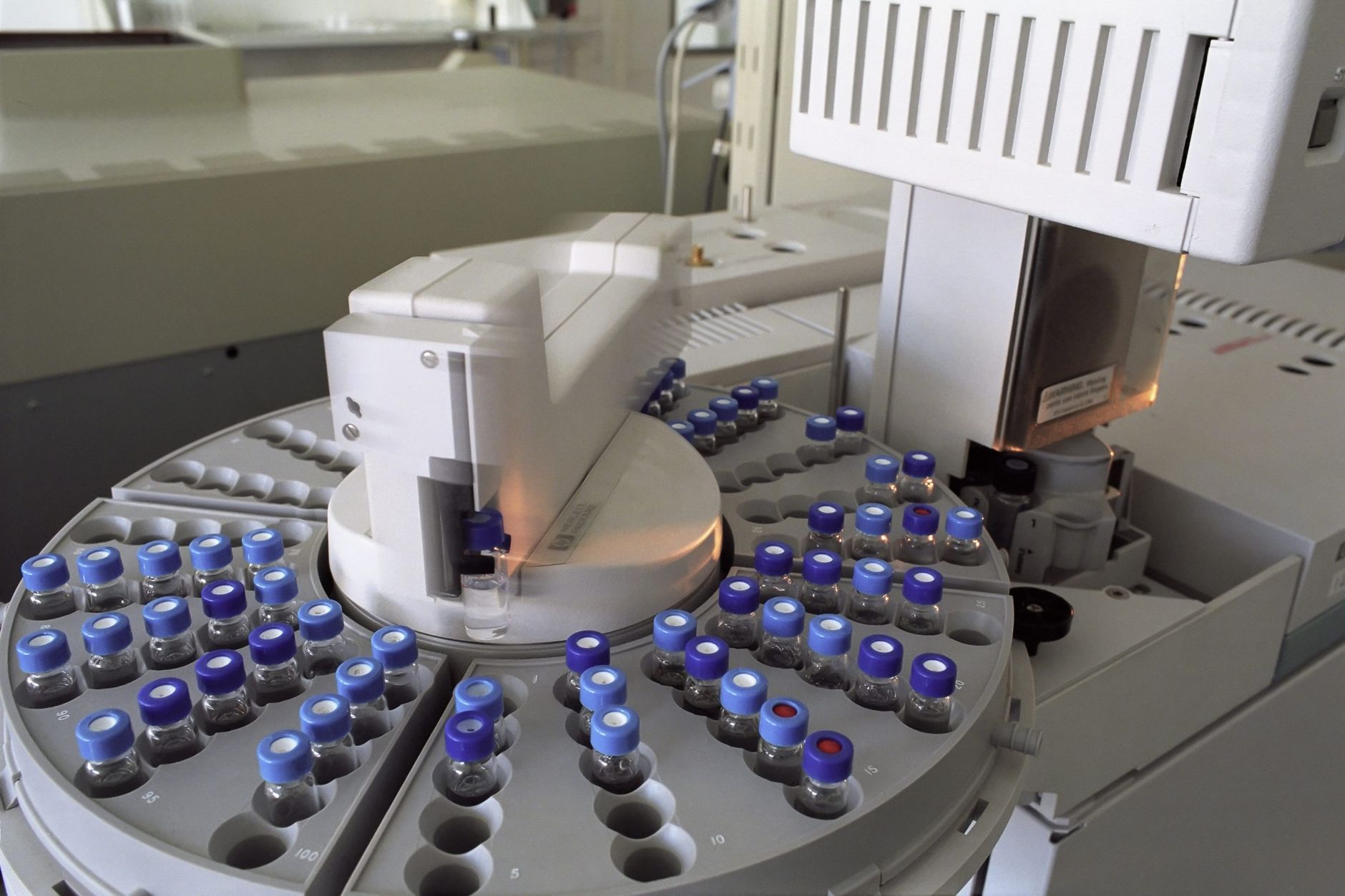
Understanding the Legal and Safety Aspects of BPC 157
BPC 157 is typically sold for research purposes and is not FDA-approved for human use. When evaluating suppliers, focus on whether the vendor aligns with applicable labeling, documentation, and compliance norms for laboratory materials.
Key safety tips:
- Purchase only from vendors that provide third-party lab testing results.
- Avoid vendors claiming health benefits or therapeutic applications—this can be a signal of noncompliant marketing and poor scientific rigor.
> Pro Tip: Always check for Certificates of Analysis (COAs) from independent testing labs—these report analytical results (e.g., purity/identity testing) that can help assess whether a material matches its label claims.
Key Criteria for Choosing a Trusted Vendor
When purchasing BPC 157 online, vendors that support research-grade sourcing often share several characteristics:
These checks are not guarantees, but they can reduce the likelihood of receiving mislabeled, poorly documented, or inconsistently manufactured materials.

Where to Buy BPC 157 Online: Top Recommended Sources
Finding online sources for BPC 157 can be challenging because supplier practices vary widely. Rather than interpreting any seller as endorsed for outcomes, use a documentation-first approach and verify that the vendor provides appropriate testing and traceability.
- The Project Formula: A resource discussing considerations for purchasing BPC 157 with an emphasis on research-only sourcing and quality documentation.
- Look for well-reviewed platforms that emphasize third-party testing and lot-specific reporting.
How to Identify High-Quality BPC 157 Products
Not all BPC 157 listings provide the same level of documentation. The steps below focus on objective quality indicators relevant to laboratory purchasing:
- Purity Levels: Look for COAs reporting analytical methods (e.g., HPLC) and the stated purity result. Ensure the COA corresponds to the exact lot number you are purchasing.
- Packaging Standards: Clear labeling (compound name, lot number, quantity) and tamper-evident packaging can support chain-of-custody and inventory controls.
- Storage Instructions: Vendors should provide handling and storage information consistent with peptide stability considerations.
Common FAQs About Buying BPC 157
Is BPC 157 legal for research in the USA?
BPC 157 is commonly sold in the U.S. as a research-use-only material and is not approved for human use or therapeutic applications. Regulatory status and enforcement can change, so confirm that the vendor’s labeling and sales practices are consistent with research-only distribution.
What is the ideal storage condition for BPC 157?
Storage conditions depend on the material form and the supplier’s specifications. For research materials, follow the vendor’s written handling and storage guidance and match it to your lab’s stability and documentation requirements.
How can I verify product purity?
Request a lot-specific COA and confirm it includes analytical methods and results relevant to identity and purity. If needed for your application, consider independent verification testing through a qualified analytical laboratory.
Are there risks with counterfeit products?
Yes. Mislabeling and inadequate documentation can occur in online marketplaces. Prioritize suppliers that provide third-party, lot-specific testing documentation and transparent sourcing/quality processes.
Does BPC 157 come in pill form?
BPC 157 may be presented in various forms depending on the seller (e.g., powder or solution) and how it is labeled for research distribution. Learn more here.
Key Takeaways
- BPC 157 is sold legally for research purposes but not approved for human use.
- Choose trusted vendors by validating transparency, customer reviews, and COAs.
- Proper storage and careful handling are essential to maintain peptide quality.
- Counterfeit or mislabeled materials are a known issue—prioritize lot-specific, third-party testing documentation and traceable sourcing.
- Educate yourself through peer-reviewed research and vendor-provided documentation to support reliable laboratory purchasing decisions.

Conclusion
If you're searching for BPC 157 for sale, prioritize documentation quality (e.g., lot-matched COAs), vendor transparency, and clear shipping/handling terms. A research-first sourcing process helps reduce variability in materials used for laboratory work and avoids vendors making noncompliant claims about human use.