BPC-157 Online: Guide to Benefits, Safety, and Trusted Buys
What Is BPC-157 and How Does It Work?
BPC-157 is a synthetic peptide sequence originally described in research as being derived from a naturally occurring protein fraction found in gastric juice. In the peer-reviewed literature, BPC-157 is investigated primarily in preclinical systems to characterize how it may influence biological signaling pathways. Mechanistic hypotheses discussed in scientific publications include effects on angiogenesis-related signaling (the formation of new blood vessels) and interactions with molecular processes involved in wound-healing cascades and inflammatory signaling.
BPC-157 is not FDA-approved for use as a drug, and it is commonly sold as a material intended for laboratory and research use. Published studies continue to explore its biochemical activity across various experimental models, including gastrointestinal and musculoskeletal research contexts, but these findings should be interpreted within the limitations of the specific model systems studied.
Key Benefits of BPC-157 for Health and Wellness
Peer-reviewed studies on BPC-157 are generally preclinical and focus on biological mechanisms and observed outcomes in model systems rather than established effects in humans. Within that scientific context, research has examined areas such as:
- Tissue repair (model systems): Some studies report changes in markers and processes associated with collagen organization and cellular repair pathways in experimental settings.
- Injury recovery (preclinical models): BPC-157 appears in animal and in vitro research evaluating tendon/ligament-related injury models and associated histological or biochemical endpoints.
- Gastrointestinal research (preclinical models): Some investigations describe findings related to intestinal tissue integrity and inflammatory signaling pathways in experimental models.
> Pro Tip: When planning experiments, rely on primary, peer-reviewed sources and clearly document model limitations, endpoints, and reproducibility considerations.
Legal and Safety Considerations When Buying BPC-157 Online
Purchasing BPC-157 online requires careful due diligence to align with applicable laws and research compliance expectations. Key considerations include:
- Legal status: BPC-157 is not FDA-approved for therapeutic use. It is generally marketed as a research peptide intended for laboratory and investigative applications.
- Regulation risks: Mislabeling, counterfeit materials, or inappropriate marketing claims can create compliance issues and undermine research integrity.
- Purity concerns: The research-chemical marketplace can include products with variable quality. Selecting vendors that provide rigorous, independent analytical documentation can help reduce the likelihood of receiving misrepresented material.
How to Identify Trusted Vendors for BPC-157
For laboratory research, vendor quality can materially affect experimental reproducibility. Common evaluation criteria include:
For additional background reading, this guide to trusted sources for BPC-157 discusses supplier evaluation considerations and quality documentation.
Different Types of BPC-157 Products (Capsules, Injections, etc.)
Online listings may describe BPC-157 in multiple formats. From a research perspective, format can affect handling, stability, and suitability for specific analytical workflows (depending on the study design and model). Examples include:
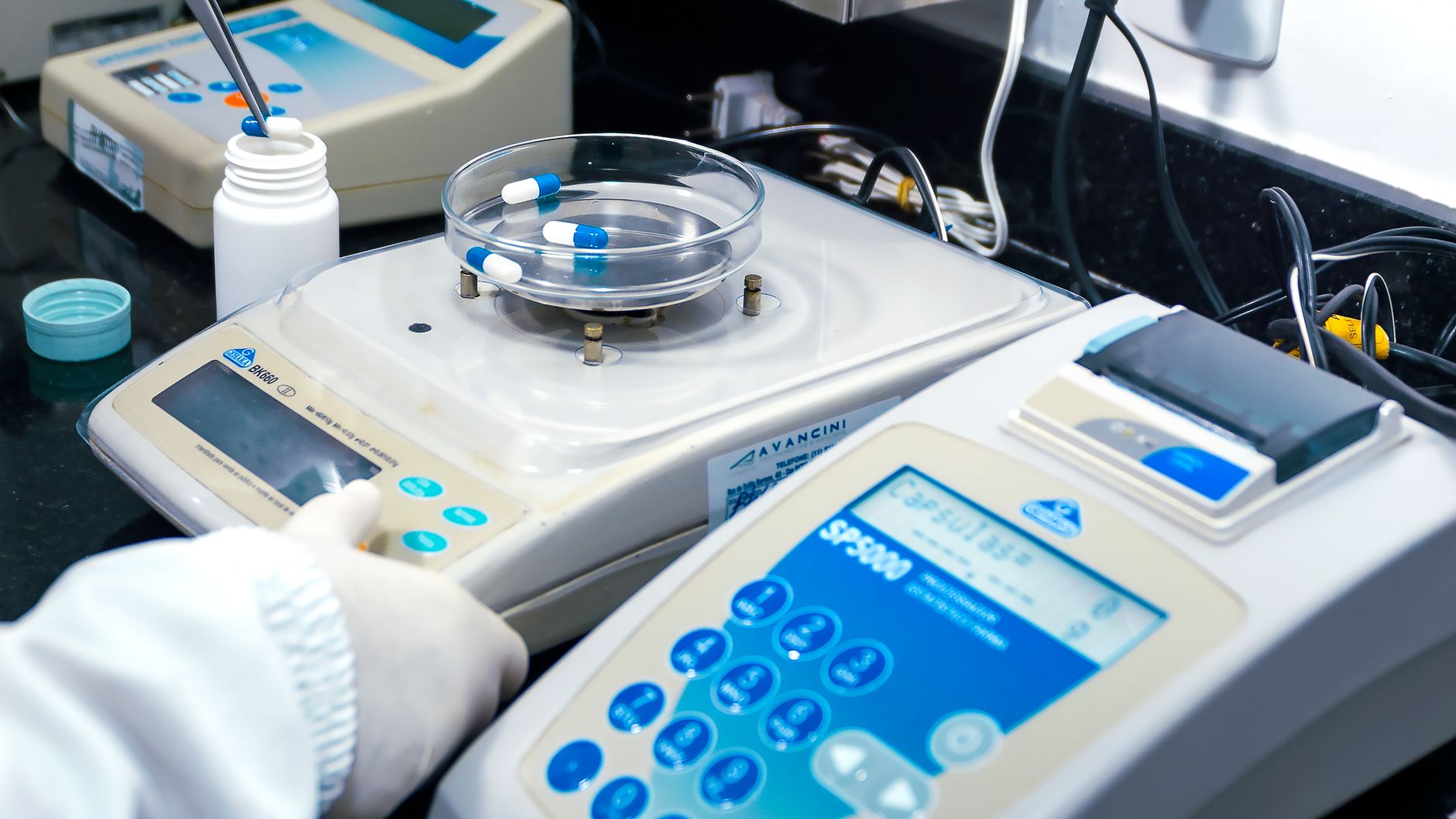
- Capsules: Some vendors list encapsulated formats; however, capsule excipients and composition can complicate analytical verification and may be less compatible with many laboratory assay workflows than well-characterized reference materials.
- Powdered form: Often used for analytical testing and method development where precise massing and characterization are required.
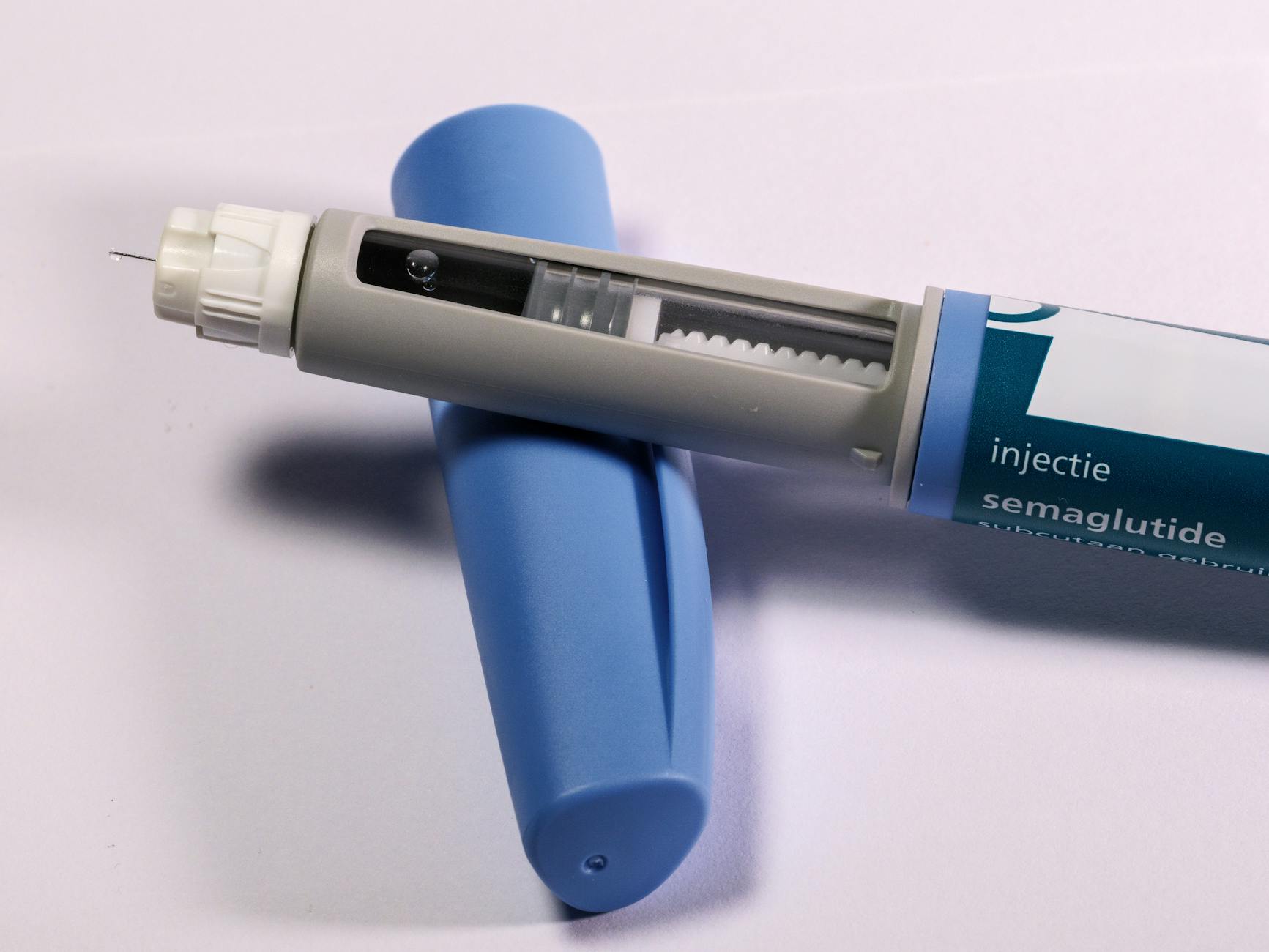
- Injected solutions: Vendors may offer liquid preparations; these can introduce additional variables (solvents, sterility claims, preservatives) that require careful verification if used as reference material in laboratory contexts.
Dosage Guidelines and Recommendations for New Users
Because BPC-157 is not FDA-approved for human administration and is typically sold for laboratory research, this article does not provide dosing or administration instructions. In the scientific literature, experimental studies may report exposure levels or concentrations for specific model systems; these details are not interchangeable across models and should be interpreted strictly within the original experimental context.
For those new to peptide handling in a laboratory environment, focus on research-quality handling principles such as:
- Sterility standards: Use appropriate aseptic technique when sterility is required by the experiment, and prevent cross-contamination between samples.
- Preparation documentation: Record preparation steps, solvents, container materials, and timestamps to support reproducibility and stability assessments.
- Storage practices: Follow documented stability data where available (from validated sources) and track storage conditions with lot-level traceability.
Key Takeaways
- BPC-157 is a synthetic peptide investigated in preclinical research for mechanisms related to tissue repair pathways and inflammatory signaling.
- Purchase from vendors who provide third-party testing and COAs for product purity.
- Evaluate the legal and regulatory status before buying online to meet compliance requirements.
- Research applications vary based on form—e.g., capsules, injections, or powder.
- Handle peptides securely while adhering to sterility standards and proper storage practices.
Frequently Asked Questions
What is BPC-157 used for?
In peer-reviewed research, BPC-157 is studied in experimental systems to explore biological mechanisms related to tissue-response pathways and inflammatory signaling, including in gastrointestinal and musculoskeletal model contexts. It is not FDA-approved for therapeutic use.
Is it legal to buy BPC-157 online?
BPC-157 is often sold online as a research peptide. Legality and permissible uses can depend on jurisdiction and how the product is marketed and labeled. Buyers should verify that vendors position it for research use and that purchasing and use align with applicable laws and regulations.
How can I verify the safety of my BPC-157 purchase?
For laboratory research, prioritize lot-specific third-party COAs, transparent sourcing and labeling, and credible independent information about the vendor. Analytical validation (identity, purity, and contaminants) is central to research reliability.
Are there side effects associated with BPC-157?
BPC-157 is not FDA-approved for human use, and clinical safety is not established. The peer-reviewed literature primarily describes findings from in vitro and animal studies rather than definitive human safety outcomes.
What forms of BPC-157 are available?
Online listings commonly include capsules, powders, and liquid preparations. The format can introduce different analytical and handling considerations depending on the research model and verification methods.

Conclusion
BPC-157 is a peptide of interest in preclinical research investigating biological mechanisms relevant to tissue-response processes and inflammatory signaling. When purchasing BPC-157 online for laboratory work, prioritize vendor transparency, independent analytical documentation, and regulatory-compliant labeling to support research integrity.