BPC 157 Peptide for Sale: How to Buy Safely & Avoid Scams
What Is BPC-157 and Why It's in Demand?
BPC-157 is a synthetic peptide sequence studied in preclinical research settings and discussed in the scientific literature in relation to laboratory models of tissue response and related biological pathways. Interest in BPC-157 within research communities is largely tied to ongoing investigation of its biochemical activity in controlled experimental systems.
This article discusses BPC-157 from a research-only perspective, focusing on how to interpret scientific literature and how laboratories commonly evaluate vendor documentation (e.g., analytical testing) when procuring peptides for experimental work. It does not describe or recommend any use in humans.
Table of Contents
- What Is BPC-157 and Why It's in Demand?
- Understanding the Benefits and Uses of BPC-157
- Why You Need to Buy From Reputable Sources
- How to Identify Trustworthy Suppliers of BPC-157
- Top Considerations When Purchasing BPC-157 Online
- A Step-by-Step Guide: Safely Purchasing From The Project Formula
- Avoiding Scams and Assessing Product Quality
- Key Takeaways
- Frequently Asked Questions
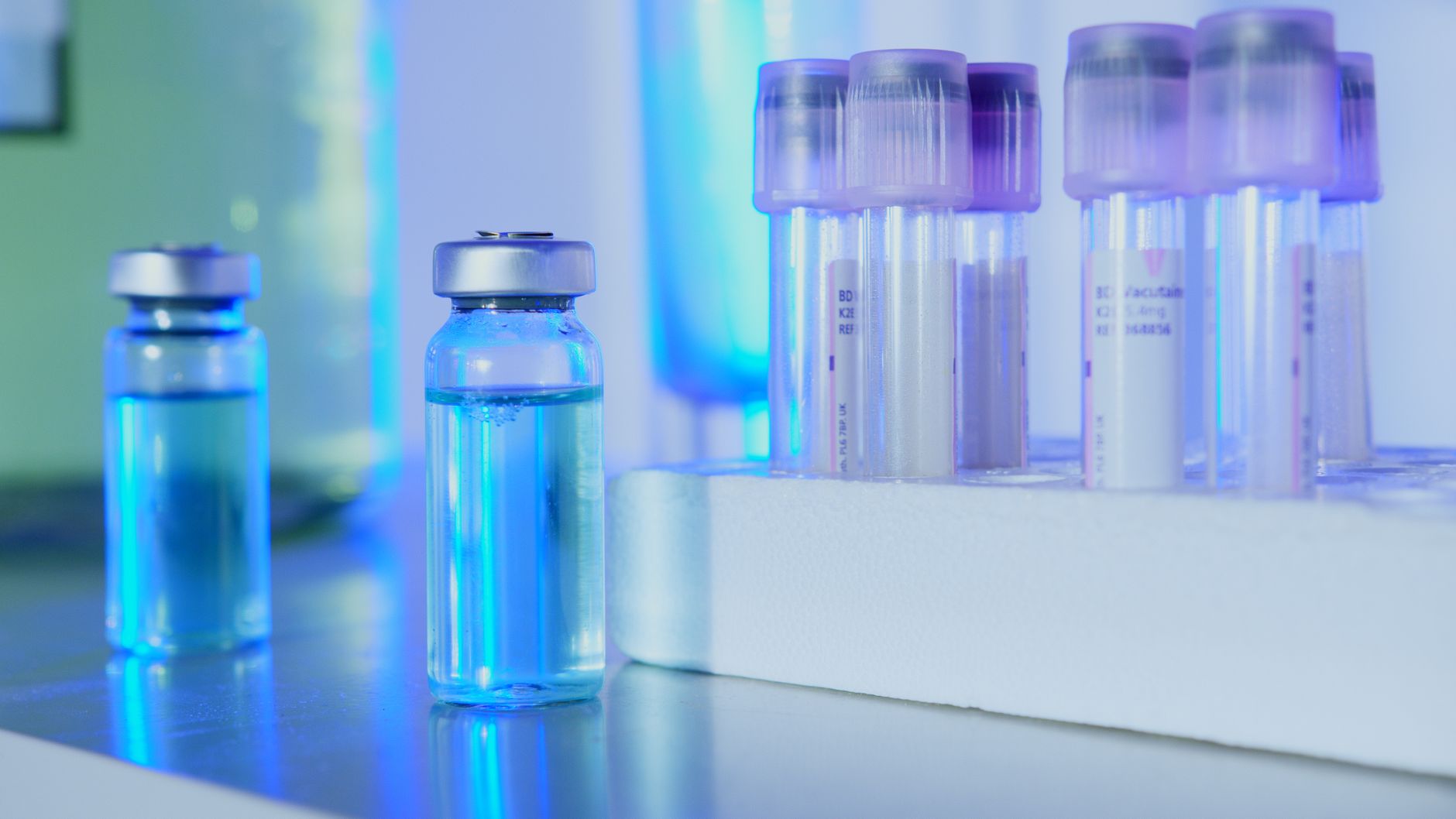
Understanding the Benefits and Uses of BPC-157
BPC-157 has been examined in a range of preclinical studies (for example, in vitro systems and animal models) investigating mechanisms related to tissue response, angiogenesis-associated signaling, and gastrointestinal model endpoints, among other topics. These studies are generally aimed at characterizing biological activity and hypothesized mechanisms under controlled experimental conditions.
What does this mean? In the context of the peer-reviewed literature, findings about BPC-157 should be interpreted as research observations within specific models, not as evidence of outcomes in humans. BPC-157 is not FDA-approved for human use, and discussions about it should remain limited to research design, analytical characterization, and interpretation of published data.
> Pro Tip: Reviewing peer-reviewed studies and assessing study design (model selection, controls, endpoints, and reproducibility) can help researchers understand what has—and has not—been demonstrated. The NIH database is a useful starting point for locating scientific resources.
Why You Need to Buy From Reputable Sources
For laboratory research, peptide quality and documentation can materially affect experimental reliability. Procurement from vendors that provide appropriate analytical data helps reduce the risk of receiving misidentified, degraded, or contaminated material—factors that can confound experimental outcomes.
The Risks of Low-Quality or Counterfeit BPC-157
- Unknown Quality: Some products may be adulterated, misidentified, or improperly handled.
- Contamination Risk: Impurities or endotoxins can interfere with assays and produce misleading results.
- Wasted Resources: Unreliable inputs can compromise reproducibility, time, and budget in research workflows.

How to Identify Trustworthy Suppliers of BPC-157
A supplier’s credibility is usually assessed through documentation, transparency, and whether claims match the scope of research-only distribution. Here are common vetting criteria used in research procurement:
1. Check for Testing and Certification
Look for batch-specific Certificates of Analysis (COAs) and clear identification of the analytical methods used (e.g., HPLC, MS). Prefer documentation that can be traced to third-party testing rather than unverifiable summaries.2. Transparent Labeling
Credible suppliers clearly list the peptide identity, lot number, storage conditions, and research-use-only restrictions. Avoid vendors that omit essential labeling or imply non-research use.3. Good Manufacturing Practices (GMP)
If a vendor references GMP, verify what that means in context (e.g., whether the facility is actually operating under a recognized quality system and what documentation is available). Where GMP is not applicable, look for other quality-system indicators and consistent analytical release criteria.4. Customer Reviews and Testimonials
Reviews may help flag shipping issues or customer service problems, but they are not a substitute for analytical documentation. Prioritize objective evidence (COAs, methods, and lot traceability) over subjective testimonials.> Expert Insight: Transparency in sourcing, analytical methods, and lot traceability is commonly associated with stronger quality controls in regulated product categories. For broader context on quality and safety standards in medical products, resources like Mayo Clinic provide general educational information.
Top Considerations When Purchasing BPC-157 Online
When procuring BPC-157 for laboratory use, focus on procurement and documentation standards rather than outcome-oriented claims:
> Pro Tip: You can cross-reference vendor claims about regulatory status and compliance concepts using primary sources like FDA.gov. (Note: FDA resources should not be interpreted as endorsing non-approved research compounds.)
A Step-by-Step Guide: Safely Purchasing From The Project Formula
The Project Formula is presented online as a peptide supplier. If a laboratory is evaluating any vendor (including The Project Formula), a procurement checklist approach can help keep the process evidence-based and research-focused:
> Expert Insight: When evaluating any supplier, confidence is best derived from verifiable documentation (lot traceability and test reports) rather than anecdotal impressions or marketing language.
Avoiding Scams and Assessing Product Quality
This section is focused on general procurement due diligence for research materials.
Recognizing Common Scams
- Unrealistically Low Prices: Extremely low pricing can be a signal to scrutinize documentation, identity verification, and handling controls.
- Missing or Non-Specific COAs: COAs that lack lot numbers, methods, dates, or measurable results provide limited value.
- Pressure Sales Tactics: Vendors that push urgency over documentation may be avoiding scrutiny.
Evaluating Product Quality
In research procurement, quality assessment typically relies on objective documentation and, when necessary, independent verification:
- Identity and Purity Evidence: Look for COAs supported by analytical methods such as HPLC and MS, with clearly reported results.
- Lot Traceability: Confirm that labeling and documentation align (lot numbers, dates, and product identifiers).
- Handling and Storage Documentation: Ensure the vendor provides clear storage conditions and shipping/packaging descriptions consistent with maintaining sample integrity.
Key Takeaways
- Purchasing BPC-157 for laboratory research requires careful attention to supplier documentation, lot traceability, and analytical testing standards.
- When evaluating any supplier (including The Project Formula), prioritize batch-specific COAs and transparent handling information, and avoid vendors that imply human use.
- Objective red flags—such as missing test data, unclear labeling, and pressure tactics—can indicate higher procurement risk.
Frequently Asked Questions
How do I ensure my BPC-157 purchase is legal?
Purchase only from suppliers that explicitly market BPC-157 for research purposes and comply with applicable local laws and regulations. Avoid vendors that suggest or promote human use.What is the typical purity of research-grade BPC-157?
Purity specifications vary by vendor and lot. Many suppliers report high purity values on COAs, but the key is whether purity is supported by clearly described analytical methods and batch-specific results.Is shipping temperature important for BPC-157?
Shipping conditions can affect the integrity of peptides depending on formulation, duration in transit, and packaging. Review the vendor’s handling and shipping documentation and consider the compound’s stability information when planning procurement.Can I test the peptide’s quality myself?
Some laboratories use third-party analytical testing (e.g., LC-MS or HPLC) to verify identity and purity, especially when documentation is incomplete or when independent confirmation is required by internal protocols.Does The Project Formula offer shipping insurance?
The Project Formula describes shipping and delivery options on its site. You can review details on their BPC-157 product page.
Conclusion
Finding BPC-157 for research use requires careful review of peer-reviewed literature, clear separation of preclinical findings from human outcomes, and evidence-based vendor evaluation. When selecting any supplier, prioritize batch-specific analytical documentation, transparent labeling, and handling practices that support experimental integrity.