BPC 157 Peptides: Benefits, Uses, and Buying Guide
BPC 157 Peptides: Benefits, Uses, and Buying Guide
BPC 157 peptides are synthetic compounds derived from a naturally occurring protein found in gastric juice. They have attracted attention in the scientific literature because preclinical studies have explored how this peptide may influence biological processes involved in tissue models and inflammatory signaling. Commercial availability makes it important for research teams to evaluate identity, purity, and documentation when sourcing BPC 157 for laboratory work.
This article summarizes what BPC 157 is, what peer-reviewed research has examined (primarily in non-human and in vitro models), and how to assess product quality for research use.
Table of Contents
- What Are BPC 157 Peptides and How Do They Work?
- Key Benefits of BPC 157 Peptides
- Research and Science Behind BPC 157
- Potential Uses: Healing, Recovery, and Performance Optimization
- Buying Guide: How to Choose High-Quality BPC 157 Peptides
- Safety, Dosage, and Side Effects
- Why Choose The Project Formula for Your BPC 157 Needs
- Key Takeaways
- Frequently Asked Questions
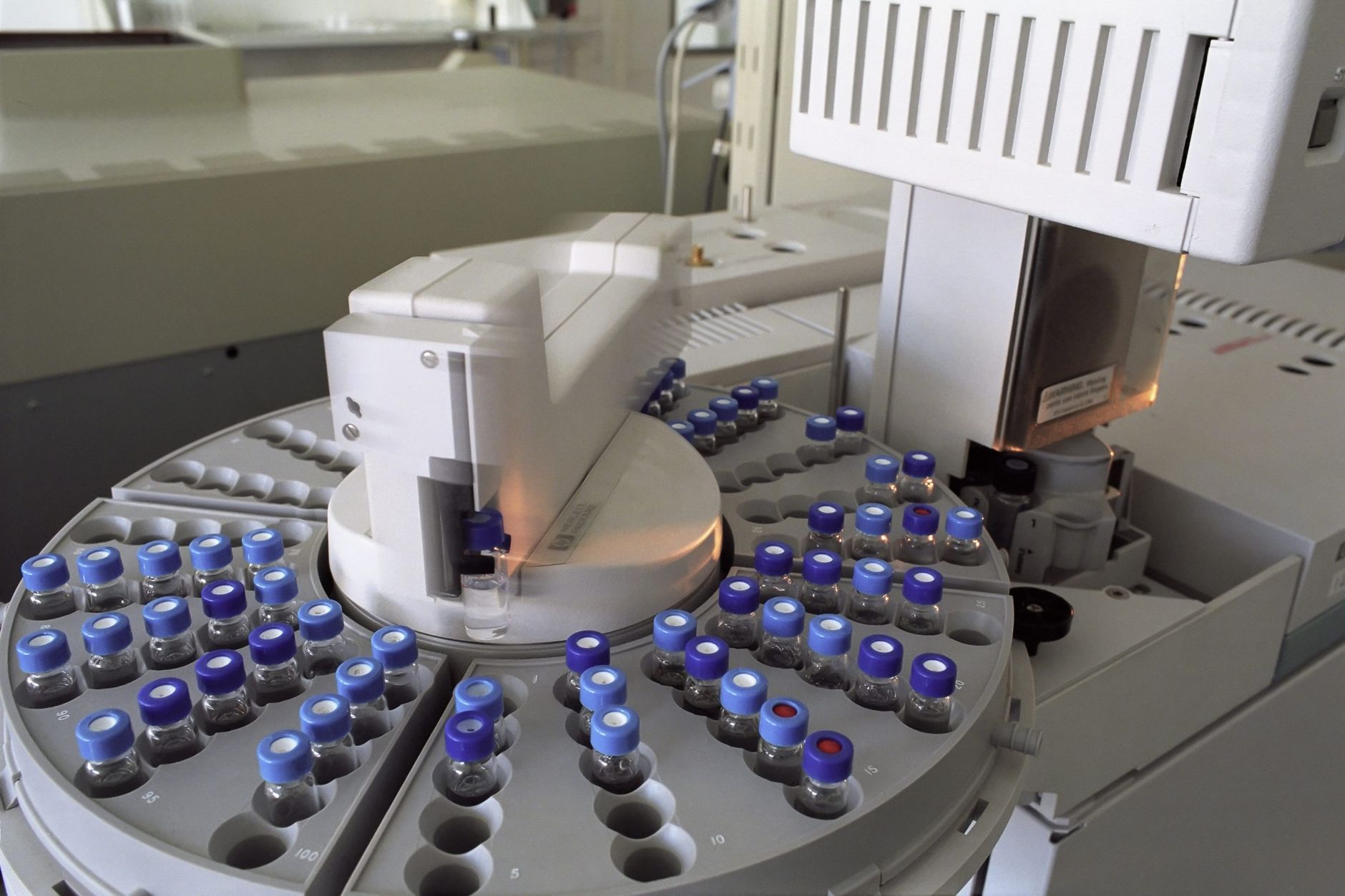
What Are BPC 157 Peptides and How Do They Work?
BPC 157 is a pentadecapeptide (15 amino acids) sequence derived from a naturally occurring protein in gastric juice. It is commonly described as a research peptide because published studies have investigated how it may affect pathways relevant to tissue models and cellular responses.
Mechanistic hypotheses discussed in the literature include effects on angiogenesis (new blood vessel formation), cellular migration, and inflammatory signaling. These topics are typically evaluated in controlled experimental systems (e.g., cell culture and animal models). Importantly, findings from preclinical research do not establish clinical outcomes in humans.
BPC 157 is often labeled and sold for research purposes only, and discussions of its effects should remain within the context of laboratory investigation.
> Pro Tip: When selecting BPC 157 for laboratory work, prioritize vendors that provide clear analytical documentation (e.g., COAs) and transparent sourcing. Poor-quality materials can introduce variability and compromise study interpretation.
Key Benefits of BPC 157 Peptides
Peer-reviewed research has examined BPC 157 in experimental settings relevant to tissue and inflammation models. Common research themes include:
- Tissue model observations: Some studies report changes in markers associated with wound models and connective tissue models (e.g., tendon/ligament-related experimental systems), which researchers may use to explore repair-associated biology.
- Inflammatory signaling in models: Experimental work has evaluated whether BPC 157 influences inflammatory mediators in vitro or in animal models, which can be useful for mechanistic research designs.
- Gastrointestinal model research: Preclinical studies have explored effects on intestinal mucosa or related experimental endpoints in gastrointestinal injury models.

Research and Science Behind BPC 157
The peer-reviewed literature includes preclinical investigations into biological pathways that may be modulated by BPC 157. Frequently discussed areas include:
- Angiogenesis-related endpoints: Some studies measure vascular-related markers or tissue perfusion proxies in injury models to evaluate whether angiogenesis-associated pathways are affected.
- Gastrointestinal injury models: Researchers have used animal and cellular models to examine barrier-related endpoints, mucosal integrity, and histologic measures under controlled conditions.
- Inflammatory mediator modulation: Experimental designs may evaluate cytokine patterns and other signaling molecules to characterize potential immunomodulatory mechanisms.
Potential Uses: Healing, Recovery, and Performance Optimization
In research contexts, BPC 157 has been used as a tool compound to explore biological processes relevant to:
- Tissue and injury models: Studies may measure histological changes, gene/protein expression, or functional proxies (model-dependent) following experimentally induced tissue damage.
- Connective tissue hypotheses: Some preclinical work investigates collagen-related endpoints and connective tissue markers to understand how signaling pathways might be affected.
- Cellular stress and resilience models: Researchers may study angiogenesis, oxidative stress markers, and other cellular endpoints to characterize responses in controlled systems.
Our content focuses on research-grade sourcing considerations and literature context. Read our full BPC 157 Guide here.
Buying Guide: How to Choose High-Quality BPC 157 Peptides
Selecting quality BPC 157 peptides can materially affect research reliability. Consider the following when sourcing:
The Project Formula presents itself as a supplier of research compounds and provides sourcing and documentation details intended to support laboratory purchasing decisions.
Safety, Dosage, and Side Effects
BPC 157 peptides are commonly labeled for laboratory research use only and are not FDA-approved for human use. As a result, this article does not provide dosing, administration, or suitability information for people.
From a research operations perspective, potential concerns include:
- Unverified materials: Products lacking adequate documentation (identity/purity testing) can confound results and raise contamination concerns.
- Methodological inconsistency: Variation in handling, storage, and experimental protocols can reduce reproducibility and complicate interpretation.
Why Choose The Project Formula for Your BPC 157 Needs
The Project Formula positions its catalog around research-grade peptides intended for laboratory use. Factors the company highlights include:
- Purity Assurance: Batch testing and documentation intended to support identity/purity verification.
- Research Dedication: Product positioning and information oriented toward research workflows.
- Transparency: Availability of manufacturing and sourcing details to aid evaluation.
Key Takeaways
- BPC 157 peptides are investigated in preclinical research as a tool compound for studying mechanisms related to tissue and inflammation models.
- Published studies discuss endpoints relevant to gastrointestinal models and repair-associated biology, but these findings are not the same as demonstrated human outcomes.
- For laboratory work, source research-grade peptides from suppliers providing transparent documentation and independent testing—The Project Formula describes such materials and documentation.
Frequently Asked Questions
What are BPC 157 peptides used for?
In the peer-reviewed literature, BPC 157 is used in experimental systems (e.g., cellular and animal models) to investigate mechanisms related to tissue models, inflammatory signaling, and gastrointestinal model endpoints.Are BPC 157 peptides FDA approved?
No, BPC 157 peptides are not FDA-approved for human applications. They are intended for laboratory research purposes only.Can BPC 157 peptides benefit recovery?
Peer-reviewed studies report various effects in preclinical tissue and inflammation models, but these findings do not establish recovery outcomes in humans. For personal medical questions, consult a licensed healthcare provider.How can I ensure the quality of BPC 157 peptides?
Look for suppliers that provide transparency, independent analytical testing (e.g., COAs), and clear research-only positioning—such as the documentation described at The Project Formula.Are there side effects with BPC 157 peptides?
Human safety profiles are not established in this context. In research settings, the primary risks discussed are often related to material quality and experimental misuse (e.g., contamination, misidentification, and inconsistent handling), which can compromise data integrity.
Conclusion
BPC 157 peptides remain an active area of preclinical investigation, with peer-reviewed studies exploring mechanisms relevant to tissue, inflammatory, and gastrointestinal experimental models. Understanding how the literature defines endpoints and limitations can help researchers interpret findings appropriately. When sourcing materials for laboratory work, prioritize vendors that provide rigorous documentation and verification—such as the information available from The Project Formula.