Delta Sleep-Inducing Peptide: How It Works and Benefits
Delta Sleep-Inducing Peptide: How It Works and Benefits
Delta sleep-inducing peptide (DSIP) is a synthetic peptide investigated in peer-reviewed scientific literature for its possible roles in sleep-related neurobiology and neuroendocrine signaling. Its mechanisms are not fully resolved, and findings vary by model system, study design, and experimental conditions.
This article reviews DSIP as a research topic—including proposed mechanisms, representative study areas, and key limitations—without implying suitability for human use. DSIP is discussed here strictly in the context of laboratory and scientific research.
Table of Contents
- What Is Delta Sleep-Inducing Peptide?
- How DSIP Works: Mechanisms and Effects
- Scientific Research on DSIP: Key Studies
- Potential Benefits of DSIP
- DSIP Formulations and Product Options
- Risks and Considerations When Using DSIP
- Key Takeaways
- Frequently Asked Questions
What Is Delta Sleep-Inducing Peptide?
Delta sleep-inducing peptide (DSIP) is a synthetic neuropeptide originally described in the 1970s and subsequently examined for associations with sleep-wave states and stress-related neuroendocrine activity in experimental settings. DSIP is typically discussed as a central nervous system–active research compound with hypothesized interactions across multiple regulatory pathways, including those involved in sleep architecture and hormonal signaling.
Importantly, DSIP is not established as a direct “sleep-inducer.” In the literature, it is more often framed as a modulator studied in controlled experiments. References to DSIP outside research contexts (for example, in “biohacking” communities) do not substitute for peer-reviewed evidence or regulatory authorization for human use.
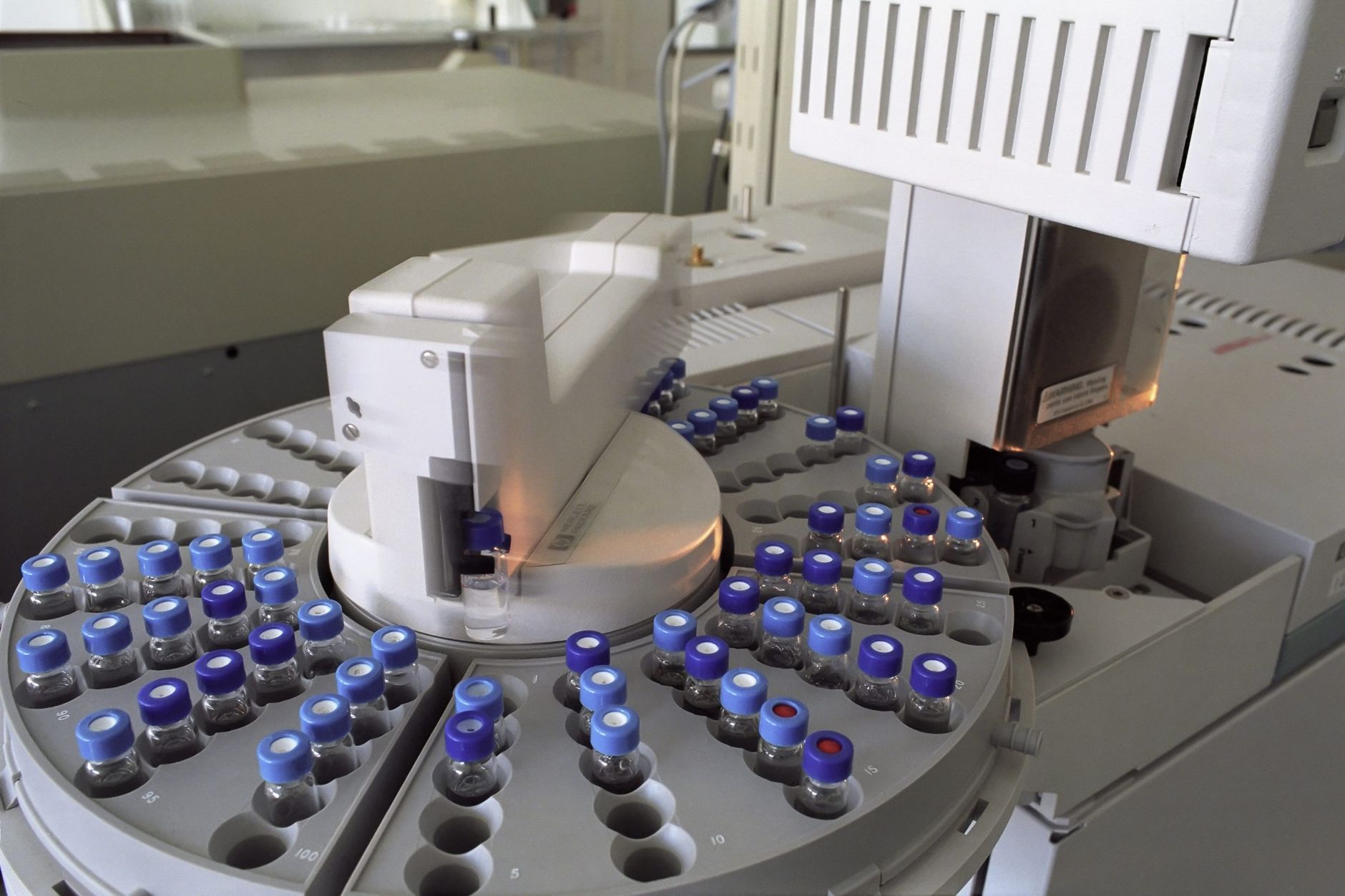
How DSIP Works: Mechanisms and Effects
DSIP is studied for its interactions with neuroendocrine pathways that may influence sleep-associated physiology. Proposed mechanisms commonly involve signaling networks connected to the hypothalamus and pituitary axis, which are central nodes for coordinating circadian and hormonal regulation.
Neurotransmitter Interaction
Researchers have examined whether DSIP interacts with neurotransmitter systems implicated in sleep regulation, including serotonin- and melatonin-linked pathways. These hypotheses are model-dependent and remain areas of ongoing investigation.Stress Reduction Pathways
Some peer-reviewed studies explore DSIP in relation to stress physiology, including experimental readouts such as stress-associated biomarkers (e.g., cortisol in certain study designs). These observations should be interpreted as research findings within specific protocols rather than as evidence of predictable effects in humans.> Pro Tip: Because DSIP research spans sleep-related neurobiology, endocrine signaling, and stress paradigms, study outcomes can differ substantially across animal models, experimental endpoints, and measurement techniques.
Scientific Research on DSIP: Key Studies
Sleep Regulation Studies
Peer-reviewed studies (including work published in the 1980s) evaluated DSIP in animal models for effects on sleep parameters such as REM/non-REM patterning and sleep architecture metrics. Human data are comparatively limited, and existing reports do not establish clinical efficacy or generalizable outcomes.Stress and Pain Management
Some research groups have investigated DSIP within acute stress paradigms, including experimental assessments of endocrine readouts. Other preclinical studies have explored DSIP in relation to nociception-associated models. These lines of inquiry describe potential biological activity in controlled settings, but they do not demonstrate that DSIP is appropriate, effective, or safe for human use.Application in Immune Health
A subset of studies has examined whether DSIP influences immune-related measures in animal experiments, particularly where stress exposure is used to alter immune parameters. The evidence base remains mixed and model-specific, and additional replication and mechanistic work are typically required to clarify what pathways—if any—are involved.> External Resource: Researchers can explore foundational findings on DSIP by visiting NIH.gov.

Potential Benefits of DSIP
Within the peer-reviewed literature, DSIP is investigated in several research areas. The points below summarize topics of study rather than confirmed outcomes or human health benefits:
- Sleep-related physiology (research focus): DSIP has been examined in experimental models for associations with sleep architecture and sleep-stage dynamics.
- Stress physiology (research focus): Some studies evaluate DSIP in relation to stress-associated endocrine measures under controlled conditions.
- Nociception-related models (research focus): Preclinical work has explored DSIP alongside pain-related experimental endpoints.
- Immune-related measures under stress (research focus): Some animal studies assess immune markers in stress paradigms where DSIP is included as an experimental variable.
Practical Application
From a scientific perspective, DSIP is best framed as a molecule of interest for hypothesis-driven research into neuroendocrine regulation and sleep-associated biology. Increased public attention to peptides underscores the importance of rigorous study design, transparent reporting, and replication—especially when translating findings across models.DSIP Formulations and Product Options
When discussing DSIP in a research context, “formulations” refer to how the compound is supplied for laboratory handling and experimental control.
Forms Available
Key Considerations
- Purity: Analytical documentation (e.g., certificates of analysis and validated testing methods) is important for interpreting experimental results.
- Reputable Sources: Supplier transparency, chain-of-custody practices, and consistent quality controls help reduce experimental variability.
Risks and Considerations When Using DSIP
Any discussion of DSIP should distinguish research observations from clinical conclusions.
Potential Side Effects
Some publications report adverse events in limited study contexts (including reports such as headache or dizziness in certain study populations). However, the overall safety profile, long-term effects, and generalizability across populations are not established.Regulatory Limits
DSIP is not FDA-approved as a drug for diagnosing, treating, curing, or preventing any disease. Any handling should be framed within legitimate research settings and applicable regulations.> External Resource: Learn about the regulatory stance on synthetic compounds by accessing FDA.gov.
Consultation
For questions involving health, symptoms, or medical conditions, readers should consult a licensed healthcare provider. For laboratory work, research planning should be overseen by appropriately qualified personnel (e.g., principal investigators, institutional compliance offices), following applicable safety and ethics requirements.---
Key Takeaways
- DSIP, or delta sleep-inducing peptide, is studied in peer-reviewed research for potential roles in sleep-associated neurobiology and stress-related neuroendocrine signaling.
- Research into DSIP commonly focuses on pathways connected to neurotransmitters and neuroendocrine regulation, though mechanisms remain incompletely characterized.
- Product quality, analytical verification, and regulatory compliance are critical for interpreting DSIP-related research results.
- Limited human research means DSIP remains primarily a scientific research topic rather than an established clinical intervention.
- For personal health decisions, consult a licensed healthcare provider; for experimental work, consult qualified research professionals and follow applicable regulations.
Frequently Asked Questions
What is delta sleep-inducing peptide?
Delta sleep-inducing peptide (DSIP) is a synthetic neuropeptide examined in scientific studies for its possible involvement in sleep-related physiology and neuroendocrine signaling. Research commonly evaluates DSIP in controlled experimental models rather than as a validated medical therapy.
Can DSIP cure insomnia?
No. DSIP is not approved as a treatment for insomnia or any medical condition. Research findings—where they exist—should not be interpreted as demonstrating clinical efficacy.
Is DSIP safe?
The safety profile is not established for general human use, and human studies are limited. Reported adverse events in specific studies do not substitute for comprehensive safety evaluation.
How is DSIP administered?
In research settings, DSIP may be handled in different forms (such as powder or pre-diluted solutions) depending on laboratory protocols and validation requirements. This article does not provide administration instructions, and DSIP should be discussed strictly within appropriate research and regulatory frameworks.
Can I buy DSIP legally?
Legal status depends on jurisdiction and intended use. DSIP is not FDA-approved for therapeutic use in humans. Any acquisition and handling should be aligned with legitimate research purposes and applicable laws and institutional policies.
---

Final Thoughts
DSIP remains a subject of scientific interest for researchers examining sleep-associated neurobiology and neuroendocrine regulation. The current evidence base is model-dependent and incomplete, and it does not establish DSIP as a safe or effective option for treating health conditions. Advancing understanding will require careful experimental design, replication, and clear separation between research findings and clinical claims.
---