GHK-Cu Peptide: Where to Buy Trusted Quality Sources
GHK-Cu Peptide: Where to Buy Trusted Quality Sources
GHK-Cu peptide is a copper-binding tripeptide widely discussed in peer-reviewed literature for its biochemical interactions with copper ions and for observations reported in cellular and tissue-model research. If you're searching for high-quality suppliers, it’s essential to choose trustworthy sources offering verified, research-grade materials and clear documentation. Below, we detail a buying guide focused on evaluating supplier quality signals that matter for laboratory work.
GHK-Cu peptide is frequently referenced in skin biology and biomaterials research contexts, and it is also of interest to laboratories that need well-characterized reagents for controlled experiments. This guide outlines practical factors to consider during the purchasing process, with emphasis on documentation, handling, and verification.
Table of Contents
- What is GHK-Cu Peptide?
- Why People Buy GHK-Cu Peptide
- Factors to Consider When Purchasing GHK-Cu Peptide
- Trusted Sources for Buying GHK-Cu Peptide
- Why Choose The Project Formula?
- Safety Tips When Purchasing GHK-Cu Peptide
- Key Takeaways
- Frequently Asked Questions
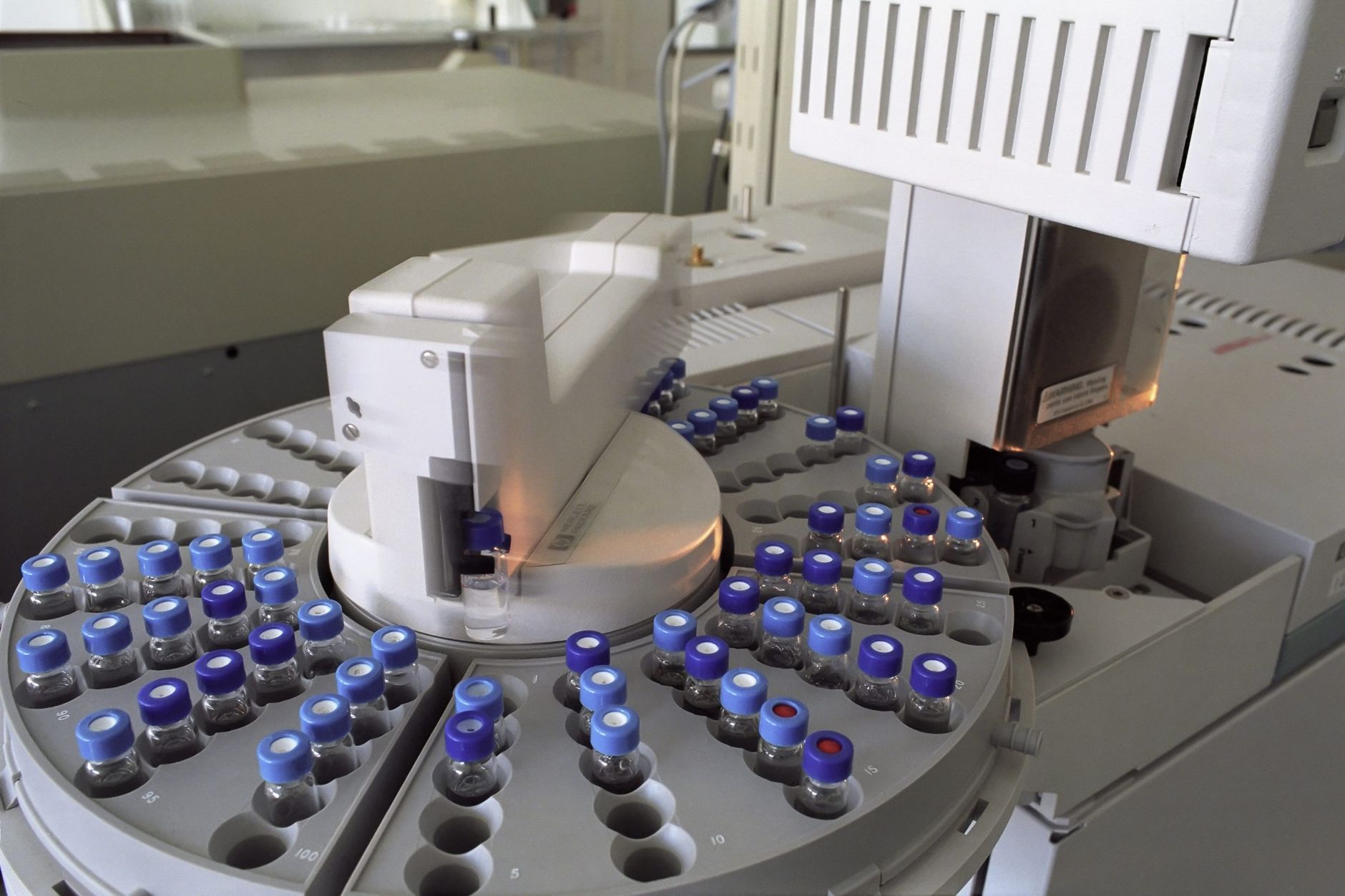
What is GHK-Cu Peptide?
GHK-Cu peptide (copper peptide) is a small peptide complex that has been identified in human biological fluids such as plasma, saliva, and urine in scientific literature. It binds copper ions, and published research has explored its biochemical behavior in vitro and in non-clinical experimental models, including studies that evaluate gene expression patterns and extracellular matrix–related endpoints.
> Pro Tip: When evaluating suppliers, confirm the material is labeled and documented for laboratory research use only and not represented as a medical, cosmetic, or therapeutic product.
Why People Buy GHK-Cu Peptide
Research groups and laboratories may source GHK-Cu peptide to support controlled experimental work, including:
- Skin biology research models: Some in vitro and ex vivo studies evaluate how GHK-Cu influences collagen-related markers or other extracellular matrix endpoints under controlled conditions.
- Oxidative stress research models: Certain publications investigate antioxidant-related pathways or oxidative-stress markers in laboratory settings.
- Wound repair and regeneration models: Some non-clinical studies explore wound-closure or tissue-remodeling endpoints in experimental systems.

Factors to Consider When Purchasing GHK-Cu Peptide
Before purchasing GHK-Cu peptide, evaluate the following essential factors:
> Expert Insight: Suppliers that publish lot-specific documentation (COAs and test methods) and maintain consistent labeling practices are typically easier to audit for research traceability.
Trusted Sources for Buying GHK-Cu Peptide
Finding reputable suppliers is the cornerstone of reliable procurement. Common supplier categories in the USA include:
- Dedicated peptide research companies: Consider vendors specializing in laboratory-grade peptides (for example, companies such as Peptide Sciences), and verify that they provide lot-level testing documentation.
- Professional platforms: Evaluate whether the supplier discloses manufacturing/testing partners, analytical methods, and quality controls.
Why Choose The Project Formula?
Selection should be based on objective documentation rather than brand assurances. In assessing The Project Formula as a potential source, the following factors are relevant to verify:
- Availability of Documentation: Look for readily accessible COAs and clear lot identification.
- Product Information Clarity: Confirm that product listings specify intended laboratory research use only, along with storage and handling notes.
- Operational Transparency: Check for clear policies on shipping, returns, and customer support channels for documentation requests.
For further insights, check out how to ensure safe buying practices when purchasing peptides.
Safety Tips When Purchasing GHK-Cu Peptide
When purchasing GHK-Cu peptide, adhere to these safety and quality-assurance practices:
If you are considering any use outside of laboratory research, consult a licensed healthcare provider regarding personal health questions; this article is not medical advice and does not provide guidance for individual use.
Key Takeaways
- GHK-Cu peptide is a copper-binding molecule discussed in peer-reviewed literature and studied in controlled laboratory models, including skin biology–related research contexts.
- Prioritize vendors offering lot-specific purity documentation, COAs, and appropriate shipping/storage information.
- The Project Formula is one option to evaluate by reviewing documentation and research-use-only labeling.
- Verify labels, shipping precautions, and available quality records when sourcing peptides for laboratory work.
- Follow storage and handling instructions to maintain material stability and support experimental reproducibility.
Frequently Asked Questions
How can I ensure the purity of GHK-Cu peptide?
Ask suppliers for a Certificate of Analysis (COA). It should list the reported purity (e.g., 99%) and identify the analytical approach used to assess it.
Is GHK-Cu peptide suitable for human use?
This article discusses GHK-Cu as a research material described in scientific literature. Products sold by peptide vendors are typically labeled for laboratory research use only and are not approved as drugs or intended for human consumption or application. For personal medical questions, consult a licensed healthcare provider.
What happens if GHK-Cu peptide is stored improperly?
Improper storage can degrade a peptide and reduce its suitability for research by affecting integrity and reproducibility. Follow the supplier’s written storage instructions upon delivery.
Can I buy GHK-Cu peptide in bulk?
Some suppliers offer larger quantities intended for institutional or laboratory procurement. When purchasing in bulk, request lot-specific documentation and confirm storage/shipping practices.
How do I know if a supplier is reputable?
Look for transparency (COAs, test methods, lot traceability), clear research-use-only labeling, and consistent handling/shipping disclosures. Vendors should be willing to provide documentation upon request.

Conclusion
GHK-Cu peptide is frequently referenced in peer-reviewed research as a copper-binding molecule investigated in controlled experimental systems, including skin-related laboratory models. When sourcing this material, prioritize suppliers that provide verifiable documentation, research-use-only labeling, and appropriate shipping and storage information. The Project Formula is one source readers may evaluate by reviewing its published documentation and procurement details.