IGF-1 LR3: What It Is and How It Works for Muscle Growth
IGF-1 LR3: What It Is and How It Works for Muscle Growth
IGF-1 LR3 (Insulin-like Growth Factor-1 Long Arg3) is a synthetic peptide analog of IGF-1 that has been modified to change its receptor interactions and persistence in experimental systems. In the scientific literature, IGF-1 signaling is widely studied for its role in cellular growth, differentiation, and repair processes across multiple tissues. Accordingly, IGF-1 LR3 is used in research settings to explore how altered IGF-1–pathway dynamics can affect cellular models relevant to skeletal muscle biology and other regenerative biology questions.
This article discusses IGF-1 LR3 as a research compound, summarizing peer-reviewed concepts about IGF-1 receptor signaling, common experimental questions, and general laboratory considerations. It is not a guide for human use.
Table of Contents
- What Is IGF-1 LR3?
- How IGF-1 LR3 Works: Mechanism and Benefits
- Key Uses: Fitness, Muscle Growth, and Recovery
- Dosage Guidelines and Best Practices for IGF-1 LR3
- Safety Considerations and Potential Side Effects
- Comparing IGF-1 LR3 to Other Peptides
- Where to Purchase IGF-1 LR3: Trusted Sources
- Key Takeaways
- Frequently Asked Questions
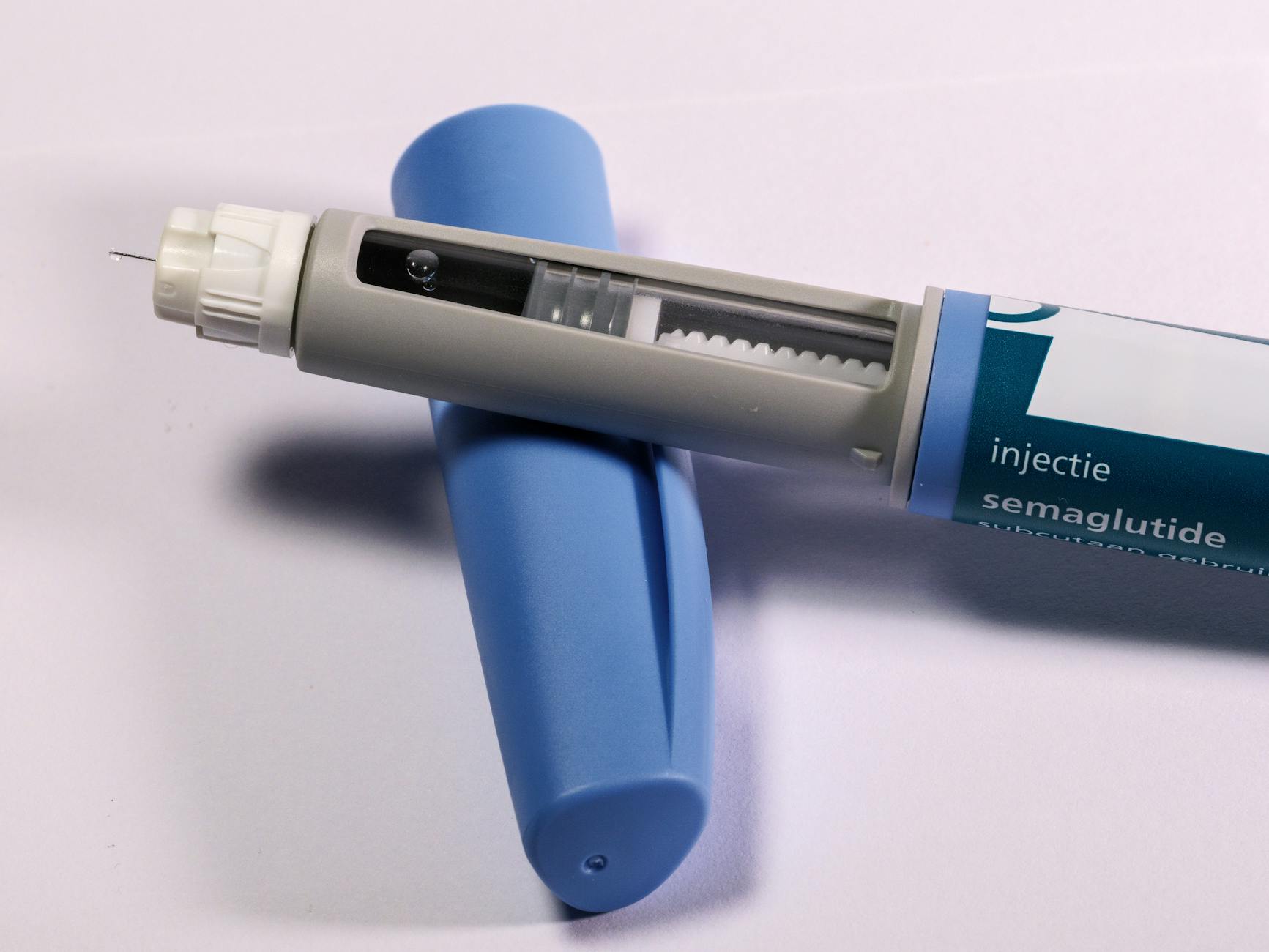
What Is IGF-1 LR3?
IGF-1 LR3 is a lab-engineered variant of insulin-like growth factor 1 (IGF-1), a signaling protein involved in growth-factor communication at the cellular level. The “Long Arg3” modification refers to sequence changes that are frequently described in the research context as influencing binding behavior (including interactions with IGF-binding proteins) and functional persistence in experimental systems relative to unmodified IGF-1.
In the peer-reviewed literature, IGF-1 signaling is commonly investigated in cell culture and animal models to better understand mechanisms underlying tissue development, maintenance, and responses to mechanical loading. In that context, IGF-1 LR3 is used as a tool to probe IGF-1 receptor (IGF1R) pathway activity under controlled experimental conditions.
> Research Note: IGF-1 LR3 is generally described and supplied as a laboratory research reagent; discussions of “applications” in this article refer to experimental models and study designs rather than human use.
How IGF-1 LR3 Works: Mechanism and Benefits
IGF-1 LR3 is studied for how it engages IGF1R and downstream signaling cascades often associated with cellular growth and differentiation programs (commonly discussed in the literature alongside pathways such as PI3K/AKT and MAPK/ERK). In experimental systems, IGF-1 signaling is also discussed in relation to protein turnover, myoblast differentiation, and satellite cell biology—topics frequently examined in skeletal muscle research.
Key Benefits of IGF-1 LR3
Within scientific studies, researchers typically focus on mechanistic endpoints rather than consumer “benefits.” Common research endpoints include:
- Skeletal muscle signaling models: IGF-1 signaling is investigated for its relationship to satellite cell activation and muscle adaptation pathways in preclinical or in vitro models.
- Cellular growth and differentiation assays: IGF-1–pathway activation is often quantified using measures such as receptor phosphorylation, downstream kinase activity, gene expression changes, and cell-cycle markers.
- Experimental persistence: The LR3 modifications are frequently discussed as affecting how the peptide behaves in experimental conditions compared with native IGF-1, which can be relevant when designing time-course studies.

Key Uses: Fitness, Muscle Growth, and Recovery
Although IGF-1 LR3 is sometimes mentioned in fitness circles, the scientifically supportable discussion is limited to how it is used as a research tool to study biology relevant to skeletal muscle and connective tissues. Below are common study themes described in the literature, framed strictly as experimental areas of focus.
Muscle Growth
In preclinical and cell-based research, IGF-1 signaling is frequently used to interrogate pathways implicated in muscle protein turnover, myogenesis, and hypertrophy-associated signaling. IGF-1 LR3 may be selected in experiments when investigators want a modified IGF-1 analog to evaluate receptor-mediated responses over a defined observation window.
Tissue Recovery
In laboratory contexts, “recovery” typically refers to measured changes in cellular stress markers, protein synthesis/degradation signaling, or regeneration-associated gene expression after an experimental perturbation (for example, mechanical loading models or induced injury models in animals). IGF-1 pathway modulation is one variable that may be studied in these designs.
Injury Repair
In the peer-reviewed preclinical literature, IGF-1 signaling is explored for its role in repair-associated processes such as cell proliferation, differentiation, and extracellular matrix remodeling. Importantly, observations in cell culture or animal models do not establish safety or effectiveness for human injury management.
Dosage Guidelines and Best Practices for IGF-1 LR3
IGF-1 LR3 is not FDA-approved as a drug for self-administration, and this article does not provide dosing, administration, or user-directed handling instructions. In published research, methods sections typically describe how reagents are prepared and controlled to support reproducibility, including documentation of:
- compound identity and source
- analytical characterization (as available)
- assay conditions (time points, exposure conditions, controls)
- contamination control measures appropriate for the model system
Safety Considerations and Potential Side Effects
Safety discussions around IGF-1 LR3 should be limited to what is reported in controlled scientific contexts (e.g., in vitro findings, animal studies, or observations related to IGF-1 pathway activation). Because IGF-1 signaling intersects with glucose metabolism and growth-related pathways, research papers may monitor endpoints related to metabolic changes, atypical growth signaling, and off-target effects depending on the model.
Potential Side Effects
In research settings, topics that may be monitored (depending on model and exposure) include:
- Glucose-related changes: IGF-1 signaling is mechanistically connected to insulin/IGF axis regulation, so glucose handling may be tracked in some experimental designs.
- Musculoskeletal effects: Some studies discuss musculoskeletal signaling changes when IGF pathways are altered; the relevance depends on species, model, and protocol.
- Aberrant growth signaling: Because IGF pathways regulate proliferation and differentiation, studies may evaluate markers of dysregulated growth signaling as part of safety or mechanism assessments.
Comparing IGF-1 LR3 to Other Peptides
When evaluating IGF-1 LR3 against other peptides like BPC-157 and TB-500, the most defensible comparison is at the level of proposed mechanisms studied in preclinical literature:
- Primary signaling focus: IGF-1 LR3 is used to study IGF1R-mediated growth-factor signaling, whereas other peptides are discussed in literature for different targets and pathways.
- Experimental kinetics: IGF-1 LR3 is often selected as a modified analog when investigators want to examine IGF-1–pathway activation under particular experimental timing constraints.
- Study-design considerations: Combining compounds in research introduces confounding and interaction effects; rigorous controls are needed to interpret mechanistic outcomes.
Where to Purchase IGF-1 LR3: Trusted Sources
If IGF-1 LR3 is sourced for laboratory research, common scientific due-diligence considerations include verifying documentation such as identity testing, purity reporting, and appropriate labeling for research use. Supplier transparency and reproducible lot documentation are often prioritized in experimental work.
For general guidance on evaluating peptide listings online, see Peptide for Sale: How to Choose High-Quality Products Online.
Key Takeaways
- IGF-1 LR3 is a synthetic IGF-1 analog used as a research tool to study IGF-1 receptor signaling in experimental models.
- Its modified structure is discussed in the literature for how it may alter experimental persistence and interaction dynamics compared with native IGF-1.
- Interpretation of findings should remain within the limits of the specific study model (in vitro or preclinical) and should not be extrapolated to human outcomes.
Frequently Asked Questions
What is the difference between IGF-1 and IGF-1 LR3?
IGF-1 LR3 is a modified analog of IGF-1. In research discussions, the LR3 modifications are commonly described as changing interaction characteristics (including with binding proteins) and experimental persistence relative to native IGF-1, which can influence how it performs as a laboratory reagent.Can IGF-1 LR3 be used for human athletic performance?
No. IGF-1 LR3 is intended strictly for laboratory research and is not FDA-approved for athletic or therapeutic use.What precautions should be taken for IGF-1 LR3 storage?
Published studies and supplier documentation typically specify storage and handling conditions for reagent integrity, but requirements vary by formulation and laboratory workflow. Researchers should follow the supplier’s technical documentation, institutional biosafety guidance, and applicable regulations.Is IGF-1 LR3 safe?
Safety and risk depend on the context in which a compound is used and the model being studied. Peer-reviewed research may report various monitored endpoints (including metabolic and growth-signaling markers), but such findings do not establish safety for human use. For personal health questions related to IGF-1 biology, consult a licensed healthcare provider.Where can I find high-quality IGF-1 LR3?
Look for suppliers that clearly label products for research use and provide verifiable quality documentation (e.g., identity and purity reporting) appropriate for laboratory work.
Conclusion
IGF-1 LR3 is a modified IGF-1 analog used in laboratory research to investigate IGF1R signaling and downstream pathways relevant to cellular growth, differentiation, and tissue-model responses. Interpreting results requires careful attention to study design, model limitations, and the difference between mechanistic findings and clinical conclusions. For research sourcing, quality documentation and transparent labeling for laboratory use are central considerations.