Natural BPC-157: Benefits, Applications & Buying Guide
Natural BPC-157: Benefits, Applications & Buying Guide
Natural BPC-157 is a synthetic peptide modeled after a peptide sequence reported in gastric juice. In peer-reviewed preclinical literature, BPC-157 has been investigated in experimental systems that examine tissue injury/repair processes, gastrointestinal mucosal integrity, and inflammation-related signaling. Because market information is often inconsistent, sourcing authenticated, research-grade material (with appropriate analytical documentation) is important for laboratories aiming to generate reproducible data.
While BPC-157 is frequently discussed online in ways that go beyond available evidence, this guide stays focused on what has been studied in controlled research settings, what scientists hypothesize about mechanisms, and how to evaluate product documentation for legitimate laboratory use.
Table of Contents
- Introduction to Natural BPC-157
- Key Benefits of Natural BPC-157
- How Natural BPC-157 Works in the Body
- Common Applications of Natural BPC-157
- How to Choose High-Quality Natural BPC-157 Products
- Where to Buy Authentic Natural BPC-157
- Safety, Side Effects, and Precautions
- FAQs About Natural BPC-157
Introduction to Natural BPC-157
Natural BPC-157 commonly refers to a research peptide produced synthetically and studied as a sequence associated with gastric juice peptides in the scientific literature. In preclinical and in vitro research, investigators have examined BPC-157 in models designed to characterize tissue injury responses, gastrointestinal mucosal changes, and inflammatory pathways.
Definition Statement: BPC-157 stands for Body Protection Compound-157, a peptide produced synthetically for research settings and discussed in the literature in relation to peptides identified in gastric juice.
Scientific interest in BPC-157 is often framed around reported interactions with growth-factor signaling, vascular-related processes, and cellular stress pathways in experimental models. Interpreting these findings requires careful attention to study design (cell vs. animal model), endpoints measured, and whether the work has been independently replicated.

Key Benefits of Natural BPC-157
The topics below reflect areas explored in peer-reviewed preclinical research; they should be understood as research observations and hypotheses rather than confirmed outcomes in humans:
- Tissue Repair (experimental endpoints): Studies in animal and cellular models have evaluated whether BPC-157 exposure is associated with changes in angiogenesis-related markers and wound-related experimental readouts.
- Gastrointestinal research (mucosal models): Researchers have investigated BPC-157 in models of intestinal or gastric mucosal injury, focusing on histologic changes, barrier-related measures, and inflammatory markers in controlled settings.
- Inflammation-related signaling (preclinical models): Preliminary work has examined associations between BPC-157 and changes in inflammatory mediators in lab-based models.
These research directions are not equivalent to demonstrated clinical effects. Translating preclinical findings to humans requires appropriately designed clinical studies, and readers should avoid treating laboratory results as evidence of real-world outcomes. For additional background reading within this topic area, see BPC-157.
How Natural BPC-157 Works in the Body
In the literature, BPC-157 is discussed as a peptide that may interact with signaling pathways involved in cellular stress responses and tissue remodeling. However, proposed mechanisms vary by model, tissue type, and experimental conditions.
Cellular Growth and Healing
Rather than a single confirmed mechanism, studies have explored whether BPC-157 exposure correlates with changes in signaling proteins and growth-factor–related pathways that are commonly measured during tissue remodeling experiments. Some reports also examine vascular-related markers (including angiogenesis-associated endpoints) in injury models.
Gut Barrier Function
In animal models of gastrointestinal mucosal injury, researchers have evaluated BPC-157 in relation to histological outcomes and barrier-associated measurements (for example, indices of mucosal integrity) under controlled conditions. These findings are best interpreted as model-specific observations that require replication and do not establish effects in humans.
For related research-mechanism discussions in this broader category of compounds, see How Does MOTS-c Work?.
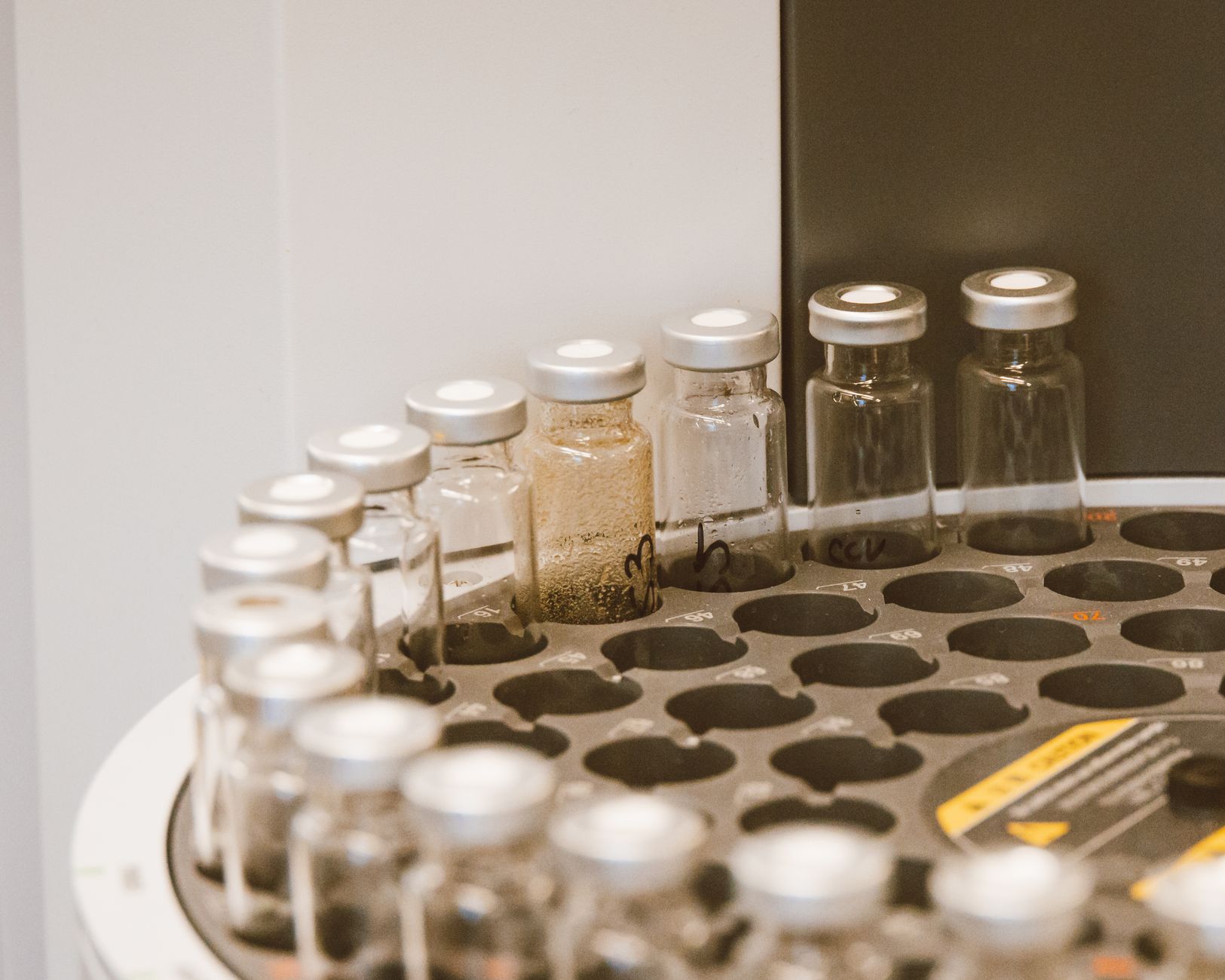
Common Applications of Natural BPC-157
In scientific contexts, BPC-157 has been used as a tool compound in laboratory studies across multiple model systems, including:
> Our Team Insight: For research use, documentation and analytical verification (identity, purity, and handling information) are more important than marketing language. Poor-quality materials can undermine reproducibility.
How to Choose High-Quality Natural BPC-157 Products
Choosing a BPC-157 product for legitimate laboratory work requires evaluating whether the supplier supports scientific quality control and traceability:
- Check Purity Levels: Look for clearly stated purity specifications supported by analytical methods and reporting.
- Verify Authenticity: Prefer suppliers that provide third-party analytical documentation (e.g., certificates of analysis) that include test methods, batch identifiers, and dates.
- Understand Labeling: Products labeled for “research purposes” should be handled as laboratory materials and not marketed or positioned as intended for ingestion or self-administration.
Where to Buy Authentic Natural BPC-157
When purchasing BPC-157 online for laboratory work, prioritize suppliers that demonstrate transparent quality systems and appropriate documentation.
Recommended Checks:
For additional purchasing-framework examples in the broader research-compound category, see NAD⁺ on Sale.
Safety, Side Effects, and Precautions
Safety in this context refers to laboratory handling and research governance, not personal use.
- Known Side Effects (preclinical observations): Some animal studies report adverse observations under specific experimental conditions; these findings are model-dependent and do not establish human safety.
- Appropriate Storage: Follow supplier instructions and standard laboratory storage practices (temperature, light exposure, container integrity) to reduce degradation and variability.
- Avoid Dietary Integration: BPC-157 is not FDA-approved as a drug or dietary supplement, and it should not be represented as intended for human consumption.
Key Takeaways
- BPC-157 is a lab-synthesized peptide modeled after a peptide sequence reported in gastric juice.
- Research interests in the peer-reviewed preclinical literature include tissue injury models, inflammation-related signaling, and gastrointestinal mucosal model systems.
- Authentic BPC-157 for laboratory work should be sourced with verified purity, identity testing, and appropriate labeling.
- Peer-reviewed studies act as the cornerstone for credible peptide insights.
- Always prioritize reliable vendors adhering to regulatory standards.
Frequently Asked Questions
Is natural BPC-157 derived from organic sources?
Although it is discussed in relation to peptides found in humans, BPC-157 sold commercially is synthesized for research purposes rather than extracted from natural sources.Can natural BPC-157 be ingested directly?
No. BPC-157 is intended for laboratory research and is not approved for human consumption by health regulatory agencies like the FDA.Where can I find trustworthy suppliers?
Look for vendors offering third-party analytical testing, batch-specific documentation, and transparent labeling for research use. Reviews can be considered, but objective lab documentation is more reliable.What precautions should I follow with BPC-157?
Use standard laboratory safety practices, follow storage/handling instructions, and adhere to institutional research policies. For personal medical questions, consult a licensed healthcare provider.Does natural BPC-157 have side effects?
Some animal studies report adverse observations under certain experimental conditions, but human safety and effects are not established. Interpret preclinical findings cautiously and rely on verified documentation for research materials.
Conclusion
Natural BPC-157 is a laboratory peptide examined in peer-reviewed preclinical research across injury, inflammation, and gastrointestinal model systems. High-quality research depends on careful interpretation of study limitations and on sourcing materials with verifiable identity and purity documentation. This guide is intended to support responsible scientific literacy and research procurement practices, not to suggest human use.