Organic NAD⁺: Benefits, Science, and Premium Options
Organic NAD⁺: Benefits, Science, and Premium Options
NAD⁺ (nicotinamide adenine dinucleotide) is a widely studied coenzyme present in living cells and central to multiple biochemical pathways, including redox reactions that support cellular metabolism and enzymatic processes involved in DNA maintenance. Discussions around “organic NAD⁺” commonly focus on sourcing, manufacturing standards, and analytical quality attributes (e.g., identity, purity, contaminant testing) rather than demonstrated outcomes in humans.
This article reviews peer-reviewed scientific context on NAD⁺ biology and summarizes common quality considerations used to compare “organic” versus synthetic manufacturing claims. It is written as a research-focused overview and does not describe NAD⁺ as a product intended for human use.
Table of Contents
- Introduction to NAD⁺ and Its Role in the Body
- What Makes Organic NAD⁺ Different from Synthetic NAD⁺?
- Key Benefits of Using Organic NAD⁺ Supplements
- How Organic NAD⁺ Supports Energy Production and Anti-Aging
- Scientific Studies Backing the Efficacy of NAD⁺
- How to Choose the Right Organic NAD⁺ Product
- Why The Project Formula's Organic NAD⁺ Stands Out
- Testimonials and Real-Life Success Stories

Introduction to NAD⁺ and Its Role in the Body
NAD⁺ is a coenzyme involved in electron transfer reactions and serves as a substrate or cofactor for enzyme families that participate in cellular homeostasis. In biochemistry and molecular biology research, NAD⁺ is commonly discussed in relation to:- Energy metabolism: NAD⁺/NADH redox cycling is integral to pathways such as glycolysis and the tricarboxylic acid (TCA/Krebs) cycle.
- DNA-associated processes: NAD⁺ is consumed by enzymes such as poly(ADP-ribose) polymerases (PARPs) in signaling pathways linked to DNA damage responses.
- Sirtuin enzymes: NAD⁺-dependent deacetylases (sirtuins) regulate diverse cellular processes in experimental systems.
What Makes Organic NAD⁺ Different from Synthetic NAD⁺?
“Organic NAD⁺” typically refers to sourcing and production claims (e.g., certified-organic inputs used during upstream manufacturing), while “synthetic NAD⁺” often implies chemical synthesis routes. From a research-quality perspective, the key differentiators are usually analytical and quality-system related (identity confirmation, impurity profiling, lot-to-lot consistency), rather than the “organic” label alone.Key Differences:
- Purity: Quality is best evaluated via certificates of analysis (CoAs), validated analytical methods (e.g., HPLC), and contaminant screens.
- Bioavailability: Claims about absorption or utilization are human-outcome claims and require direct clinical evidence. Without such evidence, “bioavailability” should be treated as an open research question.
- Sustainability: Organic certification may reflect agricultural and processing standards, but it does not by itself establish superior biochemical activity.
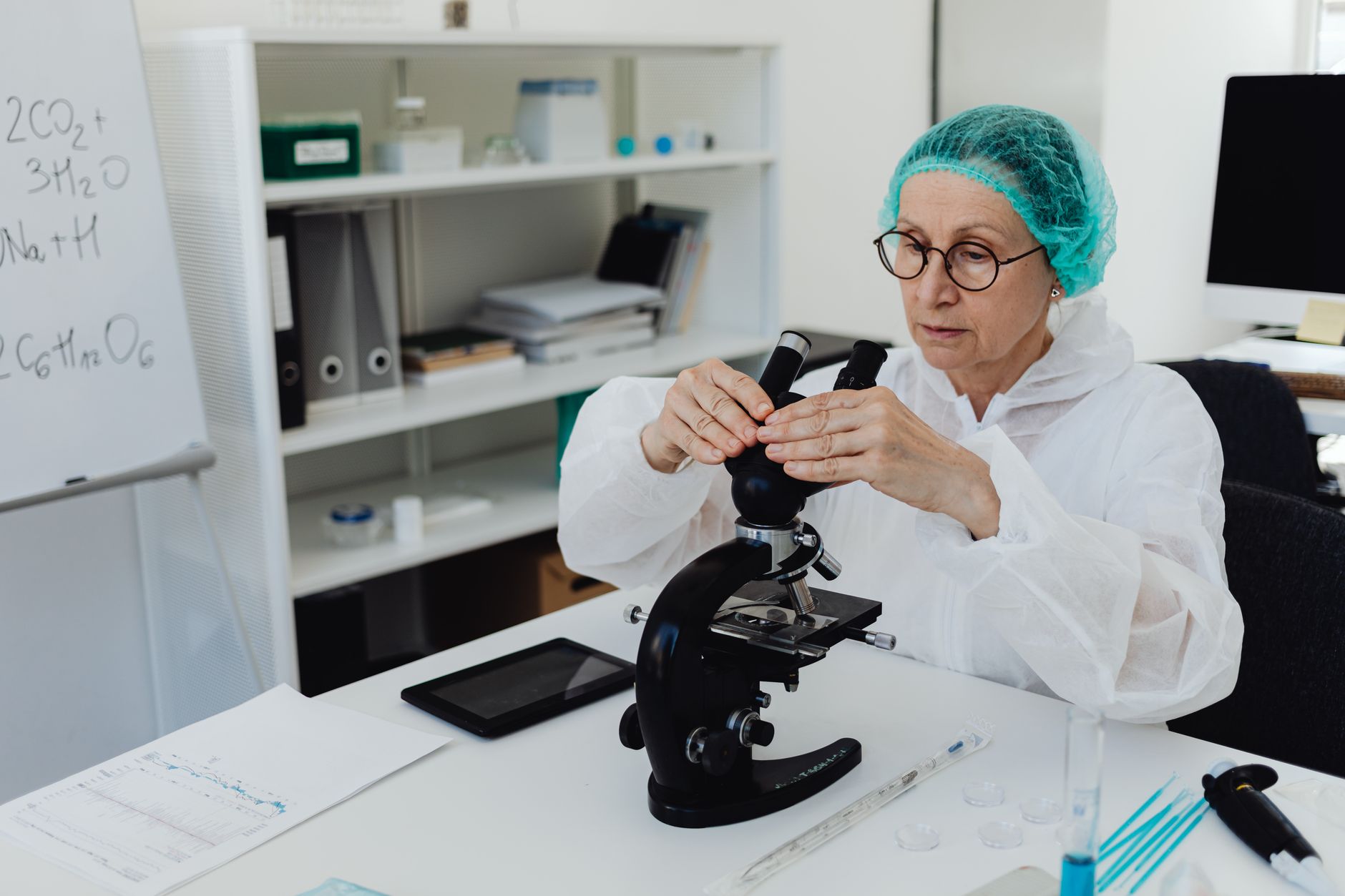
Key Benefits of Using Organic NAD⁺ Supplements
The sections below are reframed to reflect research-oriented topics commonly discussed in the scientific literature about NAD⁺ and related pathways. They describe biological roles and experimental findings, not outcomes for any individual.1. Cellular and mitochondrial research context
NAD⁺ is integral to mitochondrial redox chemistry and metabolic flux in cellular systems. Laboratory studies often evaluate how changing NAD⁺ availability (or manipulating NAD⁺-related enzymes) affects mitochondrial readouts in cells or animal models. Such findings help map mechanisms but do not establish direct, predictable effects in humans.2. Aging biology research context
Scientific interest in NAD⁺ partly stems from observations that NAD⁺ metabolism interacts with sirtuins, PARPs, and other pathways studied in aging biology. Peer-reviewed work explores associations between NAD⁺-related signaling and markers of cellular stress in experimental models. While these topics are frequently discussed in aging research, they should not be framed as demonstrated “anti-aging” effects in people. For background on biomedical research resources, see NIH.gov.3. ATP and metabolism research context
Because NAD⁺/NADH couples are central to oxidative metabolism, NAD⁺ is routinely studied in relation to cellular respiration and ATP-linked assays in vitro and in animal models. These are mechanistic research endpoints and do not demonstrate that increasing NAD⁺ produces a specific “energy” outcome in humans.4. Immunology and inflammation research context
NAD⁺-consuming enzymes and NAD⁺-dependent signaling nodes are studied in immunology and inflammation research, including how cellular NAD⁺ pools may shift during immune activation in experimental settings. These mechanistic observations do not support claims of “immune strengthening” or disease-related outcomes.> Research note: When evaluating any NAD⁺ material described as “organic,” the scientifically relevant questions are typically analytical (identity, purity, stability, and impurities), not consumer-facing outcome claims.
How Organic NAD⁺ Supports Energy Production and Anti-Aging
In basic science terms, NAD⁺ participates in redox reactions that connect nutrient oxidation to electron transport and other metabolic pathways. Researchers study NAD⁺ dynamics to understand how cells regulate metabolic state, stress signaling, and enzyme activity.Claims that any intervention can “reverse” NAD⁺ declines or produce “anti-aging” effects in humans require rigorous clinical evidence. Absent such evidence, it is more accurate to state that NAD⁺ is a mechanistically important molecule in pathways frequently investigated in aging and metabolism research, with many open questions about translation from model systems to humans.
Anti-Aging Benefits
- DNA Repair: NAD⁺ is a substrate for PARP enzymes that participate in DNA damage response signaling.
- Sirtuin Activation: Sirtuins are NAD⁺-dependent enzymes studied for roles in transcriptional regulation and stress response pathways in experimental systems.
Scientific Studies Backing the Efficacy of NAD⁺
Peer-reviewed studies support NAD⁺’s central biochemical role and describe mechanistic findings across in vitro experiments and animal models. Examples of commonly reported research themes include:Interpreting these findings requires care: results from specific models, tissues, doses, or experimental manipulations may not generalize beyond the studied system.
How to Choose the Right Organic NAD⁺ Product
From a laboratory and research procurement standpoint, evaluating NAD⁺ materials is typically an exercise in documentation and analytical verification rather than consumer “results.” Consider:- Look for Organic Certification: If “organic” sourcing matters to your lab’s standards, verify the certification and scope (inputs vs. final material).
- Check for Sustainability: Review supplier documentation on sourcing and manufacturing practices.
- Evaluate Bioavailability: Treat bioavailability as a research question unless supported by appropriate clinical pharmacokinetic data.
- Customer Reviews: Testimonials are not scientific evidence and should not be used to substantiate biochemical or health-related claims.
Why The Project Formula's Organic NAD⁺ Stands Out
When comparing suppliers, differentiators that may matter for research use include documentation quality and testing rigor. The Project Formula’s organic NAD⁺ is presented with the following positioning:- 100% Organic Ingredients: Stated to be verified by third-party certifications.
- Scientifically Backed Formulation: Framed as undergoing batch testing (review the specific CoA and methods).
- Natural Sourcing: Marketed as free of certain synthetic additives (verify via impurity profiles and excipient disclosures where applicable).
Testimonials and Real-Life Success Stories
Anecdotal testimonials and “success stories” are not a substitute for controlled scientific evidence and can be misleading when used to imply typical outcomes. For research-focused evaluation, prioritize peer-reviewed literature and objective quality documentation (e.g., CoAs, analytical methods, and traceability).Key Takeaways
- NAD⁺ is a vital coenzyme involved in redox metabolism and is a substrate for multiple enzyme families studied in cellular homeostasis and DNA-associated signaling.
- “Organic” labeling primarily relates to sourcing and process standards; research suitability is better supported by analytical verification (identity, purity, impurities, stability, and lot consistency).
- Peer-reviewed studies support NAD⁺’s mechanistic importance in cellular and animal models, but model findings do not automatically translate to human outcomes.
- Selecting a supplier should emphasize objective documentation (CoAs, testing methodology, traceability) rather than anecdotal claims.
Frequently Asked Questions
What is NAD⁺?
NAD⁺ (nicotinamide adenine dinucleotide) is a coenzyme central to cellular redox reactions and a substrate for enzymes involved in signaling pathways studied in DNA damage response and cellular regulation.Why choose organic NAD⁺ over synthetic NAD⁺?
“Organic” and “synthetic” often describe sourcing and manufacturing routes. For research use, the most meaningful comparison is typically based on analytical data (identity, purity, impurity profile, and stability) and documentation quality.Is NAD⁺ safe for daily supplementation?
This article does not evaluate NAD⁺ for human use. Questions about safety, suitability, or use in people should be discussed with a licensed healthcare provider.How soon can I expect results from organic NAD⁺?
Time-to-results is a human-outcome claim and depends on context, endpoints, and controlled clinical evidence. For research applications, expected timelines should be defined by the experimental design and measured endpoints rather than anecdotal reports.What makes The Project Formula’s NAD⁺ unique?
The product is positioned around sourcing and quality controls (e.g., third-party certification and batch testing). For research evaluation, review the certificate of analysis, testing methods, and lot traceability.