Types of NAD⁺: What to Know About Supplements and Uses
Types of NAD⁺: What to Know About Supplements and Uses
Nicotinamide adenine dinucleotide (NAD⁺) is a coenzyme involved in redox reactions and other cellular processes studied in biochemistry and molecular biology, including roles in energy metabolism and DNA damage response pathways. In the scientific literature, NAD⁺ is discussed alongside related compounds (e.g., niacin-derived intermediates such as NR and NMN) and different delivery approaches that have been examined in research and clinical settings. This article summarizes major NAD⁺-related categories discussed in publications and highlights what the evidence does—and does not—show.
Table of Contents
- What is NAD⁺ and why is it important?
- Overview of the main types of NAD⁺
- Type 1: NAD⁺ supplements
- Type 2: NAD⁺ precursors (NR and NMN)
- Type 3: IV NAD⁺ therapy
- Choosing the right NAD⁺ type for you
- Potential benefits and side effects of NAD⁺
- Key Takeaways
- Frequently Asked Questions

What is NAD⁺ and why is it important?
NAD⁺ is a coenzyme present in cells and studied for its role as an electron carrier in oxidation–reduction (redox) chemistry that supports core metabolic pathways. NAD⁺ is also a substrate for enzyme families that consume NAD⁺ (e.g., sirtuins and PARPs), which are investigated in relation to chromatin regulation and DNA damage signaling.
Peer-reviewed literature has reported associations between aging and changes in NAD⁺ metabolism in various models. Such findings are typically interpreted as evidence that NAD⁺ homeostasis is a relevant variable in studies of cellular metabolism and stress responses. Importantly, observations about NAD⁺ biology in cells or model organisms should not be read as proof of human outcomes from consumer products; translating mechanistic findings into clinically demonstrated effects requires rigorous human trials.
Overview of the main types of NAD⁺
In publications and commercial contexts, “NAD⁺ supplementation” or “NAD⁺ support” is commonly discussed in three broad categories:
- Direct NAD⁺ Supplements: Products that contain NAD⁺ as an ingredient.
- NAD⁺ Precursors: Compounds such as nicotinamide riboside (NR) and nicotinamide mononucleotide (NMN), which participate in biochemical pathways that can contribute to NAD⁺ biosynthesis.
- IV NAD⁺ Therapy: Intravenous administration of NAD⁺ in clinical settings.

Type 1: NAD⁺ supplements
Direct NAD⁺ products are formulated with NAD⁺ itself rather than a precursor. Conceptually, this approach attempts to introduce NAD⁺ directly as the target molecule.
How they work:
Direct NAD⁺ products are often described as aiming to increase NAD⁺ availability. However, a key research question is whether intact NAD⁺ survives the gastrointestinal environment, how it is processed, and what fraction (if any) measurably influences intracellular NAD⁺ pools in specific tissues. Bioavailability can vary by formulation, and the peer-reviewed evidence base remains mixed and incomplete.Example: Some consumer-facing materials describe NAD⁺ capsules with claims related to subjective feelings (e.g., “energy” or “focus”). Those marketing statements are not the same as controlled scientific findings. In the scientific literature, conclusions typically focus on measurable endpoints (e.g., pharmacokinetics, changes in blood biomarkers) and often emphasize limitations and the need for replication.
Type 2: NAD⁺ precursors (NR and NMN)
What are NAD⁺ precursors?
NAD⁺ precursors are molecules that can enter NAD⁺ biosynthetic routes, including nicotinamide riboside (NR) and nicotinamide mononucleotide (NMN). In biochemical terms, these compounds can be converted through enzymatic steps into NAD⁺, and they are frequently studied as tools to probe NAD⁺ metabolism.NR vs. NMN: Key differences
- NR (Nicotinamide Riboside): Studied for oral absorption and for its ability, under certain experimental conditions, to increase NAD⁺-related biomarkers.
- NMN (Nicotinamide Mononucleotide): One step closer to NAD⁺ than NR in a commonly depicted salvage pathway; researchers investigate whether this changes uptake, conversion, or tissue distribution.
Research insights:
Peer-reviewed studies (including work published in journals such as Nature Communications) have examined NR and NMN across cellular models, animal models, and limited human studies, often focusing on NAD⁺-related biomarkers and pathway readouts rather than clinical outcomes. Separately, regulatory status and market availability of NMN-containing products can vary by region and may change over time.For more on NAD⁺ precursors like NMN, check out our Top NAD⁺ Supplements for Energy & Cellular Health in 2023.
Type 3: IV NAD⁺ therapy
IV NAD⁺ therapy refers to intravenous administration of NAD⁺ in a clinical setting, bypassing gastrointestinal processing. From a research standpoint, IV administration is relevant because it changes exposure dynamics (e.g., time to peak levels) compared with oral ingestion.
Benefits and Applications:
- Pharmacokinetic rationale: IV delivery can increase circulating NAD⁺ (or related metabolites) over a short window compared with oral routes, depending on protocol and measurement method.
- Clinical context: Clinics may promote IV NAD⁺ using wellness-oriented language; such promotional framing should not be conflated with outcomes established by large, well-controlled clinical trials.
Choosing the right NAD⁺ type for you
From an editorial perspective focused on research literacy, comparing NAD⁺ categories typically involves clarifying the research question and the type of evidence available:
- Mechanism-focused research: Precursors (NR/NMN) are frequently used to study NAD⁺ biosynthesis and downstream pathway markers.
- Exposure/measurement-focused research: IV delivery is discussed in relation to short-term changes in circulating levels and monitoring in clinical environments.
- Formulation-focused research: Direct NAD⁺ products raise questions about stability, digestion, and whether measured changes reflect NAD⁺ itself or downstream metabolites.
Potential benefits and side effects of NAD⁺
Benefits:
In peer-reviewed research, NAD⁺ is described in terms of biological functions and mechanistic roles, for example:- Participation in metabolic pathways: NAD⁺ functions as a redox cofactor (cycling between NAD⁺ and NADH) and is integral to many enzymatic reactions studied in metabolism.
- Role in DNA damage response biology: NAD⁺ is a substrate for enzymes such as PARPs that are investigated in DNA repair signaling networks.
- Role in aging-related biology (preclinical): Some preliminary and preclinical studies evaluate NAD⁺-related interventions in models of age-associated change; these studies are hypothesis-generating and do not establish clinical outcomes in humans.
Side Effects:
Safety findings depend on the specific compound (NAD⁺ vs. NR vs. NMN), route of administration, participant population, and study design. Reports in the literature and clinical settings sometimes note adverse effects such as:- Nausea or mild digestive discomfort (commonly discussed with oral products)
- Flushing or light-headedness (sometimes reported with IV administration)
Key Takeaways
- NAD⁺ is a widely studied coenzyme involved in redox metabolism and as a substrate for enzymes implicated in DNA damage signaling.
- Commonly discussed categories include direct NAD⁺ products, precursors such as NR and NMN, and IV administration in clinical settings.
- The strength and type of evidence varies by category; many studies focus on biomarkers and mechanistic endpoints rather than clinical outcomes.
- For individual medical questions and safety considerations, consult a licensed healthcare provider.
Frequently Asked Questions
What is NAD⁺?
NAD⁺ is a coenzyme involved in cellular redox reactions and is studied for its role in metabolism and as a substrate for NAD⁺-consuming enzymes (e.g., PARPs and sirtuins).How do NAD⁺ precursors work?
NAD⁺ precursors, like NR and NMN, are compounds that can be converted through enzymatic reactions into NAD⁺. Research often measures resulting changes in NAD⁺-related biomarkers to understand pathway dynamics.Is IV NAD⁺ therapy effective?
IV administration can change short-term exposure compared with oral routes and may raise measurable circulating levels over a short period, depending on what is measured. Whether that translates to clinically meaningful outcomes is a separate question that requires well-controlled human trials.Are there side effects to NAD⁺ supplementation?
Adverse effects have been reported in some contexts (e.g., gastrointestinal discomfort with oral products; flushing or light-headedness with IV administration). Individuals should consult a licensed healthcare provider for personal medical guidance.Where can I find quality NAD⁺ supplements?
If evaluating products as a consumer, common quality signals include transparent labeling and third-party testing. For product roundups, read our guide on Top NAD⁺ Supplements for Energy & Cellular Health in 2023.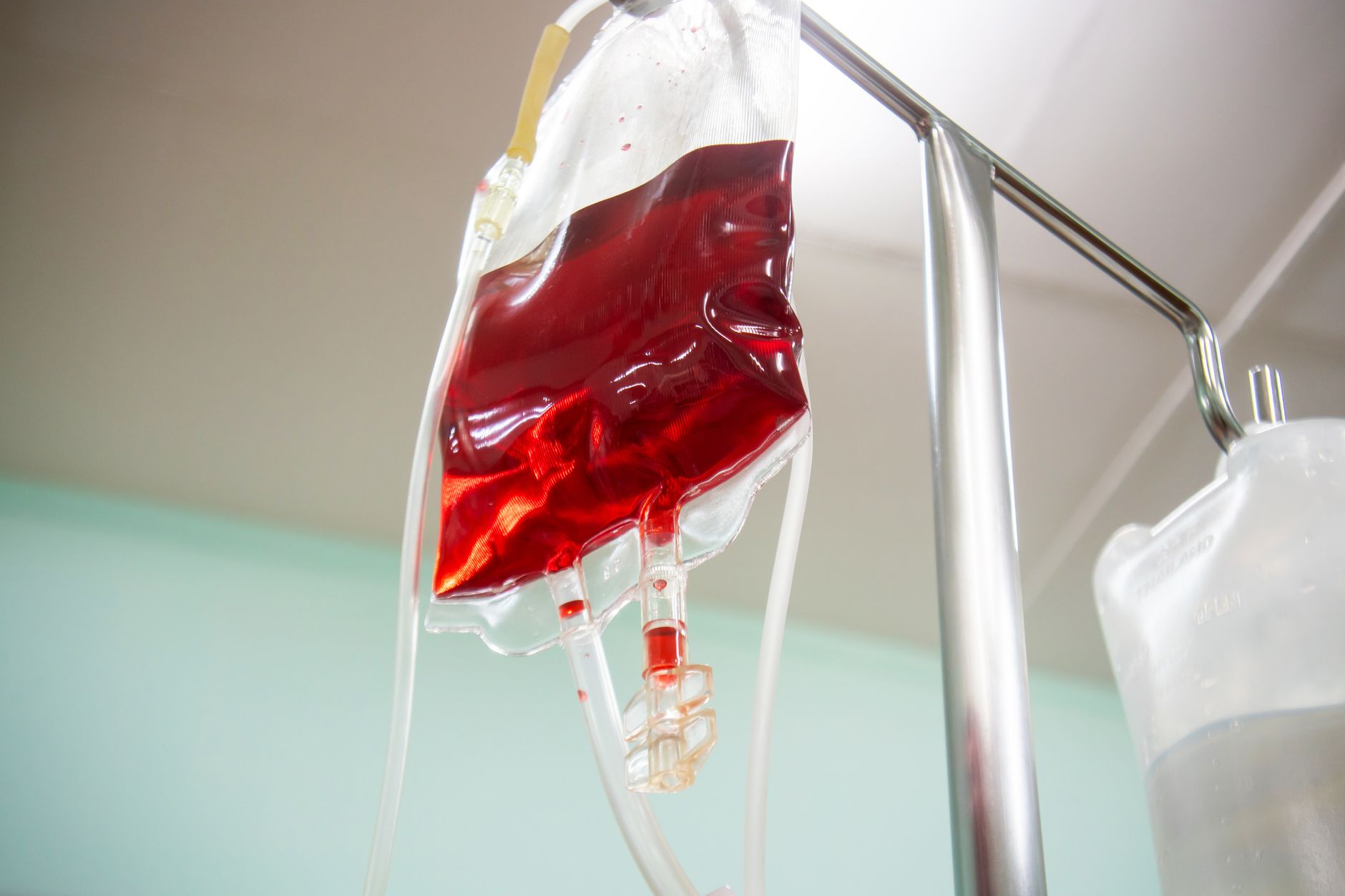
Conclusion
NAD⁺ is an important molecule in biochemistry, and multiple NAD⁺-related approaches (direct NAD⁺, precursors such as NR/NMN, and IV administration) are discussed in scientific and clinical literature. The strongest conclusions to date are generally mechanistic—focused on NAD⁺ metabolism and biomarker changes—while definitive evidence for specific human outcomes depends on the availability and quality of controlled clinical trials. Readers seeking individualized medical advice should consult a licensed healthcare provider.