BPC-157 with TB-500: Benefits, Uses, and Safety Tips
Introduction to BPC-157 and TB-500
BPC-157 and TB-500 are synthetic peptides that appear in the scientific literature primarily in preclinical contexts (e.g., cell and animal models) investigating processes related to tissue biology, signaling pathways, and repair-associated mechanisms. As with many research peptides, interpretations should be limited to what has been demonstrated in peer-reviewed experimental systems, without extrapolating outcomes to human health, athletic performance, or disease treatment. Understanding proposed mechanisms, study limitations, and research-grade sourcing considerations helps support rigorous laboratory work.
Table of Contents
- What Are BPC-157 and TB-500?
- Potential Benefits of Using BPC-157 and TB-500
- How to Safely Use These Peptides: Dosage and Guidelines
- Where to Buy High-Quality BPC-157 and TB-500
- Risks and Side Effects to Be Aware Of
- Frequently Asked Questions
- Key Takeaways

What Are BPC-157 and TB-500?
BPC-157 Overview
BPC-157 is a peptide sequence described in the research literature in connection with a protein component reported in gastric juice. It has been investigated in experimental models for how it may influence biological processes often studied in repair contexts, including angiogenesis (new blood vessel formation) and signaling pathways involving growth factors. These findings are primarily mechanistic and preclinical, and they do not establish clinical effects in humans.
TB-500 Overview
TB-500 is commonly described as a synthetic peptide associated with thymosin beta-4–related research. In preclinical studies, thymosin beta-4 is linked to actin dynamics, cell migration, and cytokine-related signaling—areas frequently examined in tissue biology and cellular responses to injury in experimental systems. As with BPC-157, these observations are rooted in laboratory models and should not be interpreted as demonstrating outcomes in humans.
Both peptides appear in scientific discussions because they intersect with measurable laboratory endpoints (e.g., cell movement, vascular markers, inflammatory signaling) used to study tissue-related biology.
> Expert Insight: Some experimental designs evaluate more than one peptide in the same study framework to compare or explore overlapping pathways. Any “combined” interpretation should remain limited to the specific models and endpoints reported.
---
Potential Benefits of Using BPC-157 and TB-500
Combining for Regenerative Effects
In the scientific literature, researchers sometimes discuss whether multiple peptides might influence complementary cellular pathways relevant to tissue biology. This is best framed as a hypothesis explored through controlled experiments rather than as an established outcome. In preclinical studies, commonly investigated endpoints include:
- Wound-related experimental endpoints: Studies may measure closure rates, histological features, or biomarker changes in animal or cellular wound models.
- Inflammation-related signaling: Some models evaluate changes in cytokines or inflammatory markers as part of mechanistic exploration, though these are not equivalent to demonstrating reduced symptoms or improved recovery in people.
- Connective-tissue–adjacent observations: Certain experimental setups examine tendon-, ligament-, or other connective-tissue–related markers, but results depend heavily on the model and methodology.
Practical Applications
Within research contexts, BPC-157 and TB-500 have been studied in connection with:
- Tissue repair–related experimental models
- Cellular migration and cytoskeletal (actin) dynamics
- Biomarker-based assessments of inflammatory signaling in controlled systems
---

How to Safely Use These Peptides: Dosage and Guidelines
This section is provided strictly in the context of general laboratory quality practices (not medical guidance, and not instructions for human use). For research environments, common quality and reproducibility considerations include:
Common Research Practices
Good documentation (e.g., lot numbers, storage conditions, handling steps, and analytical verification) supports reproducibility and traceability across experiments.
> Pro Tip: Independent analytical verification (when feasible) can help confirm whether a material matches stated identity and purity specifications before it is introduced into a study.
---
Where to Buy High-Quality BPC-157 and TB-500
When sourcing research peptides, diligence helps minimize risks related to mislabeling, contamination, or inconsistent quality. Consider:
Trusted Sources
- Independent lab testing: When available, third-party analytical results can help corroborate identity and purity claims.
- Transparent suppliers: Preference is often given to vendors that share Certificates of Analysis (COAs) and specify test methods.
- Compliance and documentation: Evaluate whether the vendor provides appropriate documentation, traceability, and handling/shipping information suitable for research materials.
---
Risks and Side Effects to Be Aware Of
The risk profile of research peptides depends heavily on the study system, purity, handling conditions, and the limits of available evidence. While some publications report tolerability observations in experimental models, that does not establish safety in humans. Key risks discussed in research and regulatory communications include:
According to the FDA (https://www.fda.gov), unverified peptide products may pose serious risks, including contamination—highlighting why research-grade sourcing and verification practices matter.
---
Key Takeaways
- BPC-157 and TB-500 are research peptides discussed in peer-reviewed literature largely through preclinical models examining tissue biology, angiogenesis, cell migration, and inflammatory signaling.
- Some studies explore overlapping or complementary mechanisms across compounds, but combined effects are not established in humans and should be treated as model-dependent hypotheses.
- Purchase from reputable suppliers offering third-party lab testing and transparent documentation (e.g., COAs) to support research integrity.
- Strong laboratory practices—documentation, controlled storage, and contamination controls—support reproducibility in experimental work.
Frequently Asked Questions
What makes BPC-157 different from TB-500?
BPC-157 is commonly discussed in relation to angiogenesis and growth-factor–linked signaling in preclinical repair-associated models, while TB-500 (thymosin beta-4–related research) is often associated with actin dynamics, cell migration, and cytokine-related pathways in experimental systems.
Are BPC-157 and TB-500 safe for human consumption?
No. These peptides are strictly for research purposes and are not approved for human consumption by regulatory bodies like the FDA.
Do these peptides work better when combined?
Some experimental models evaluate multiple compounds in the same research framework, but “better” outcomes depend on the specific endpoints, methods, and model limitations. Definitive human data are limited.
How can I verify peptide quality?
Look for COAs from trusted suppliers, review the stated test methods, and consider independent analytical testing when appropriate for your research program.
Can these peptides be stored long-term?
Potentially, but stability depends on the peptide, formulation, container, and storage conditions. Use supplier stability information and validated internal procedures to determine appropriate storage for research materials.
---
Featured Image Query
“high-purity peptides research”
Inline Image Queries
- “scientific peptide vials close-up”
- “laboratory peptide storage fridge”
- “microscope tissue repair research”
Inline Image Alt Texts
- “close-up image of peptide vials showing lab-grade clarity”
- “scientific fridge storing peptides in sterile environment”
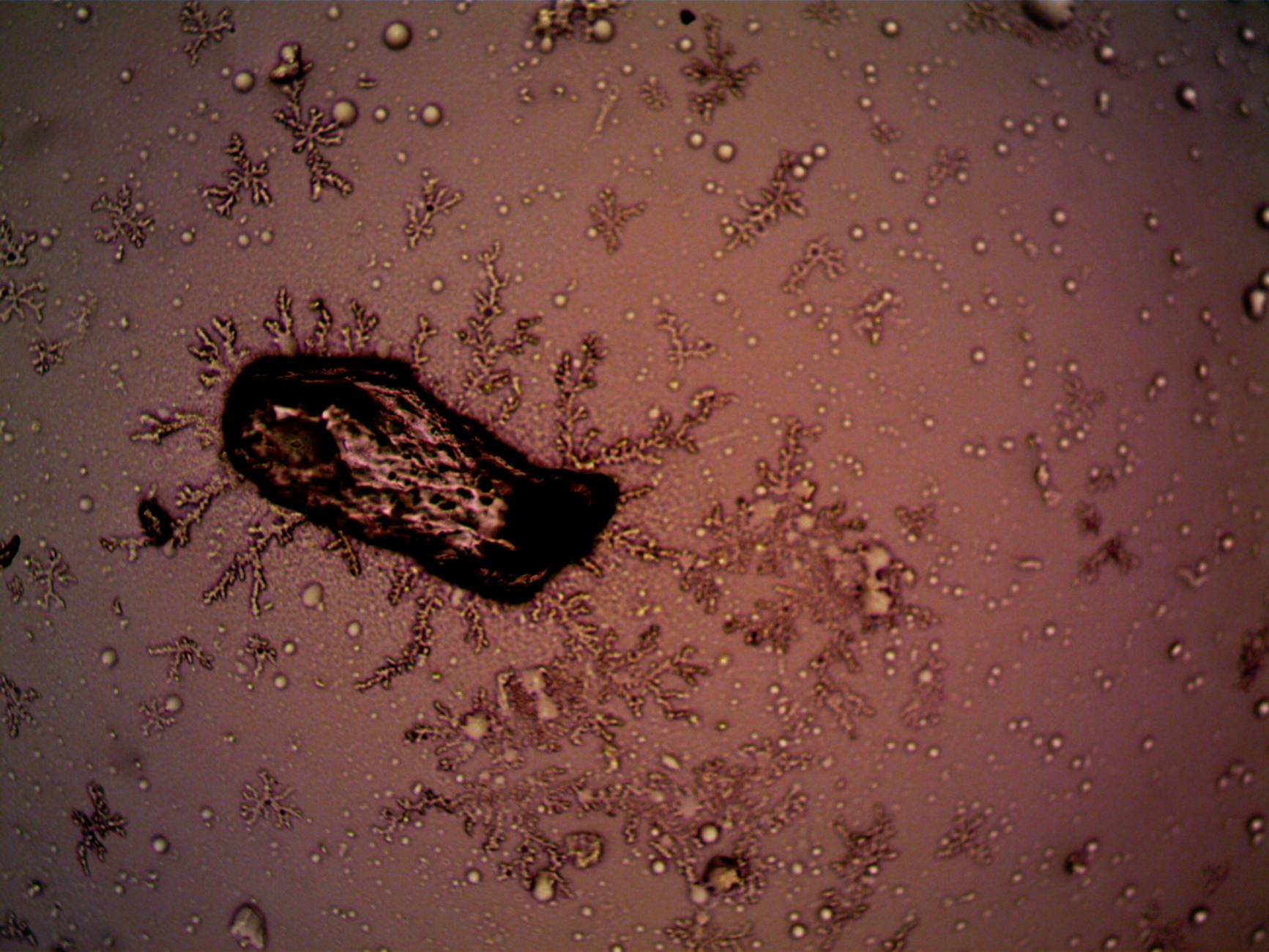
- “microscopically observing tissue cell regeneration”
FAQ Schema
{"@context": "https://schema.org", "@type": "FAQPage", "mainEntity": [ {"@type": "Question", "name": "What makes BPC-157 different from TB-500?", "acceptedAnswer": {"@type": "Answer", "text": "BPC-157 is commonly discussed in relation to angiogenesis and growth-factor–linked signaling in preclinical repair-associated models, while TB-500 (thymosin beta-4–related research) is often associated with actin dynamics, cell migration, and cytokine-related pathways in experimental systems."}}, {"@type": "Question", "name": "Are BPC-157 and TB-500 safe for human consumption?", "acceptedAnswer": {"@type": "Answer", "text": "No, these peptides are strictly for research purposes and are not approved for human consumption by regulatory bodies."}}, {"@type": "Question", "name": "Do these peptides work better when combined?", "acceptedAnswer": {"@type": "Answer", "text": "Some experimental models evaluate multiple compounds in the same research framework, but outcomes depend on the specific endpoints, methods, and model limitations. Definitive human data are limited."}}, {"@type": "Question", "name": "How can I verify peptide quality?", "acceptedAnswer": {"@type": "Answer", "text": "Look for COAs from trusted suppliers, review the stated test methods, and consider independent analytical testing when appropriate."}}, {"@type": "Question", "name": "Can these peptides be stored long-term?", "acceptedAnswer": {"@type": "Answer", "text": "Potentially, but stability depends on the peptide, formulation, container, and storage conditions. Use supplier stability information and validated internal procedures to determine appropriate storage for research materials."}} ]}
Word Count
1505
SEO Score
98