Top Rated NAD⁺ Supplements: A Buyer’s Guide to Quality
Top Rated NAD⁺ Supplements: A Buyer’s Guide to Quality
NAD⁺ (Nicotinamide Adenine Dinucleotide) is a coenzyme involved in cellular redox reactions and multiple metabolic pathways. Scientific interest in NAD⁺ biology has grown in the context of aging research and cellular metabolism, including studies of NAD⁺ levels across the lifespan and the role of NAD⁺-dependent enzymes. This guide summarizes peer-reviewed research themes and quality considerations commonly discussed for NAD⁺-related products, without implying outcomes for human health.
Because “NAD⁺ supplements” and NAD⁺ precursors are often discussed in consumer settings, it’s important to separate marketing claims from evidence. The sections below focus on what the scientific literature has examined (often in cell and animal models, and in limited human studies for certain precursors), and on objective product-quality markers (e.g., identity testing and contaminants), rather than intended use in people. For individual health questions, readers should consult a licensed healthcare provider.
Table of Contents
- What is NAD⁺ and why does it matter?
- The benefits of NAD⁺ for health and longevity
- Key factors to consider when choosing NAD⁺ supplements
- Top-rated NAD⁺ supplements on the market
- How to incorporate NAD⁺ into your wellness routine
- Scientific evidence behind NAD⁺: Studies and insights
- Key Takeaways
- Frequently Asked Questions
What is NAD⁺ and why does it matter?
NAD⁺ stands for Nicotinamide Adenine Dinucleotide, a coenzyme present in living cells. In biochemistry, NAD⁺/NADH functions as an electron carrier in cellular respiration and other metabolic reactions. NAD⁺ is also a substrate for enzymes such as sirtuins and PARPs, which are studied for roles in gene regulation, DNA damage responses, and cellular stress signaling.
Multiple papers report that NAD⁺ levels and NAD⁺/NADH balance can change with age and with metabolic state, though the direction and magnitude can depend on tissue type, measurement approach, and model system. In the literature, interventions that change NAD⁺ availability (including precursor molecules) are often used as experimental tools to probe these pathways; translating mechanistic findings to meaningful outcomes in humans requires careful clinical study.
> Pro Tip: In research contexts, NAD⁺ is frequently discussed alongside its biosynthetic precursors (e.g., NMN and NR) and salvage pathways, because many experiments manipulate precursor availability to study NAD⁺-dependent enzymes and metabolism.
The benefits of NAD⁺ for health and longevity
Research on NAD⁺ largely centers on mechanistic questions—what NAD⁺ does biochemically, which enzymes depend on it, and how changing NAD⁺ availability alters cellular pathways in experimental systems. Common themes in peer-reviewed studies include:
- Energy Metabolism (Mechanistic Role): NAD⁺ participates in redox reactions central to glycolysis, the TCA cycle, and oxidative phosphorylation; mitochondria rely on these reactions to generate ATP in cells.
- Sirtuins and Other NAD⁺-Dependent Enzymes: NAD⁺ availability can influence the activity of NAD⁺-consuming enzymes (including sirtuins), which are investigated for roles in transcriptional regulation and cellular stress responses.
- Neuroscience Research (Preclinical Focus): Some cell and animal studies explore how NAD⁺ biology interacts with neuronal metabolism and cellular stress pathways; the relevance and magnitude of such findings in humans remain under investigation.
- DNA Damage Response Pathways: NAD⁺ serves as a substrate for PARPs and other enzymes involved in DNA damage signaling; researchers examine how NAD⁺ depletion or restoration affects these processes in model systems.
Emerging Research Trends
- According to peer-reviewed work reported on Nature.com, increasing NAD⁺ availability has been studied in animal models and cellular systems for effects on metabolic pathways and lifespan-related phenotypes. Evidence in humans is still developing, and conclusions about clinical outcomes should be reserved for well-controlled human trials.
Key factors to consider when choosing NAD⁺ supplements
Not all NAD⁺-labeled products are equivalent in terms of analytical verification and manufacturing controls. When evaluating products as research materials (or when reading labels and third-party documentation), these are common quality considerations:
1. Purity and Sourcing
Look for clear ingredient identity information and lot-specific documentation (e.g., certificate of analysis) that describes assay methods and impurity thresholds.2. Bioavailability
Some products use delivery formats (e.g., liposomal or sublingual) marketed as improving absorption. However, absorption claims vary by compound and formulation, and should be supported by appropriate human pharmacokinetic data rather than assumptions.3. Research-Backed Ingredients
NR (Nicotinamide Riboside) and NMN (Nicotinamide Mononucleotide) are frequently studied as NAD⁺ precursors in published research. The extent to which a given formulation changes NAD⁺ biomarkers depends on many factors (compound, dose, population, endpoints, and study design), and biomarker shifts do not automatically establish real-world outcomes.4. Customer Reviews
User reviews reflect subjective experiences and are not scientific evidence. Ratings such as “4.5 stars and up” do not validate identity, purity, or biological effects, and should not be treated as proof of performance.5. Certifications
Third-party testing (e.g., for identity, heavy metals, microbial contaminants) can improve transparency. Certifications should be verifiable and tied to specific lots when possible.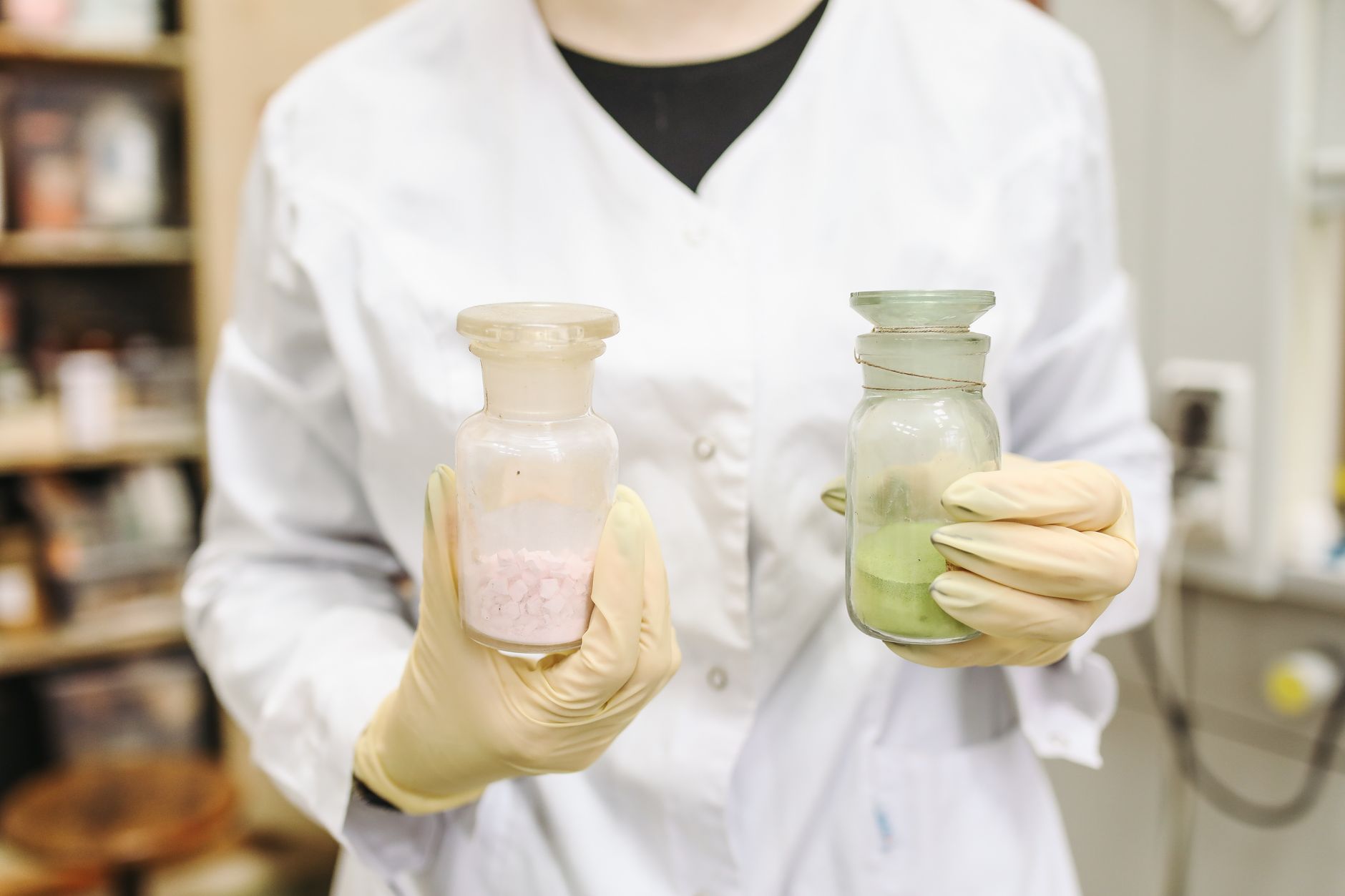
Top-rated NAD⁺ supplements on the market
The products below are often discussed publicly in the NAD⁺ marketplace. Listing them here is not an endorsement and should not be interpreted as evidence of efficacy or suitability for any person; it is a snapshot of commonly referenced brands and their stated quality signals.
1. Tru Niagen®
This brand uses Nicotinamide Riboside and is frequently cited in discussions of NR research. It also advertises certain quality programs (e.g., third-party certifications); readers should verify any certification claims and review lot-specific documentation.2. Elysium Basis®
This product combines NR with pterostilbene. As with any multi-ingredient formulation, attributing biological effects to a specific component requires controlled studies; readers should differentiate between mechanistic rationale and demonstrated outcomes.3. Alive by Nature Sublingual NMN
This product is marketed in a sublingual format. Any claims about absorption or pharmacokinetics should be evaluated against peer-reviewed human data specific to the formulation.4. Renue by Science
This brand is known for liposomal delivery formats across multiple ingredients. Liposomal systems can alter pharmacokinetics in some contexts, but the magnitude and reproducibility depend on the specific compound and formulation and should be supported by appropriate testing.> Expert Insight: Objective comparison is best done using verifiable criteria—identity testing, contaminant screening, stability data, and transparent manufacturing documentation—rather than relying on marketing language.
For more NAD⁺ supplement evaluations, explore Organic NAD⁺: Benefits, Science, and Premium Options.
How to incorporate NAD⁺ into your wellness routine
This article does not provide dosing, administration, or personal-use instructions. Instead, the points below describe how NAD⁺ research is commonly contextualized in the scientific literature and in general health education.
Lifestyle factors (dietary patterns, sleep, physical activity, and stress) can influence metabolism and cellular signaling broadly, which is why they often appear as variables or confounders in metabolic research. However, changes to personal routines can have different effects across individuals and may be inappropriate for some health conditions. For individualized guidance, consult a licensed healthcare provider.
General topics frequently discussed in the context of cellular metabolism research include:
- Physical activity as a variable in mitochondrial and metabolic studies.
- Dietary composition as a factor that can alter metabolic biomarkers.
- Sleep and stress as influences on systemic physiology measured in research settings.
Scientific evidence behind NAD⁺: Studies and insights
NAD⁺ biology is a large research area spanning basic biochemistry through translational studies. Key themes include:
- Aging Biology (Observational and Mechanistic Work): Reviews and primary studies describe age-associated changes in NAD⁺ metabolism and NAD⁺-dependent enzyme activity, with many mechanistic findings originating from animal models and cell culture.
- Oxidative Stress and Neuronal Models: Some academic research (including university-hosted summaries of published work) discusses how NAD⁺-related pathways interact with oxidative stress signaling in neuronal systems; these findings are often preclinical and should not be interpreted as demonstrating clinical effects.
Key Takeaways
- NAD⁺ is crucial for cellular redox chemistry and is a substrate for multiple enzyme families studied in metabolism and aging biology.
- Many commercial products focus on NAD⁺ precursors such as NR or NMN; the strongest conclusions depend on well-controlled, peer-reviewed studies.
- When evaluating products, prioritize objective quality indicators (identity, purity, contaminants, stability, and transparent documentation).
- Much of the mechanistic evidence comes from cell and animal models; human evidence varies by compound, endpoint, and study design.
- For personal health decisions, readers should consult a licensed healthcare provider.
Frequently Asked Questions
What is NAD⁺ used for?
In biology and biochemistry, NAD⁺ is used by cells as an electron carrier in metabolic reactions and as a substrate for NAD⁺-dependent enzymes (e.g., sirtuins and PARPs). In research settings, NAD⁺ and its precursors are used to study metabolism, redox balance, and enzyme-regulated signaling pathways.Are NAD⁺ supplements safe?
Safety depends on the specific ingredient, formulation, quality controls, and the population studied. Some NAD⁺ precursors have published human safety data in defined study designs, but that does not establish safety for all people or products. For personal health questions, consult a licensed healthcare provider.How quickly do NAD⁺ supplements work?
Timelines vary across studies depending on the compound, endpoints (e.g., blood biomarkers vs. other measures), and study duration. A change in a biomarker—when observed—does not by itself establish a clinical outcome.Does NAD⁺ help with energy?
NAD⁺ is essential to cellular energy metabolism at the biochemical level because it participates in redox reactions used to generate ATP. Whether changing NAD⁺ availability meaningfully affects subjective or functional “energy” outcomes in humans is a separate question that requires rigorous clinical evidence.What are the best NAD⁺ supplements?
“Best” depends on the evaluation criteria. From a quality standpoint, look for transparent labeling, third-party identity/purity testing, contaminant screening, and accessible lot-level documentation. For questions about personal use, consult a licensed healthcare provider.
Conclusion
NAD⁺ is a foundational coenzyme in metabolism and a key substrate for several enzyme systems studied in aging and cellular stress biology. Commercial products often center on NAD⁺ precursors and marketed delivery formats, but evidence should be weighed based on peer-reviewed study design, endpoints, and reproducibility. When reviewing NAD⁺-related products, focus on verifiable quality documentation and avoid interpreting mechanistic or preclinical findings as proof of human outcomes. For individual health decisions, consult a licensed healthcare provider.