BPC-157 Peptide: Benefits, Uses, and How It Works
BPC-157 Peptide: Benefits, Uses, and How It Works
BPC-157 peptide is a synthetic compound derived from a protein fragment associated with gastric tissue. In peer-reviewed preclinical literature, BPC-157 has been investigated for how it may influence experimental models of tissue repair, inflammatory signaling, and gastrointestinal barrier integrity. It is discussed in the scientific community as a research tool for studying injury and repair pathways—not as a proven therapy for people.Understanding BPC-157 in context starts with mechanisms and study design: what models were used, what endpoints were measured, and what limitations exist when translating animal or in vitro data. This guide summarizes the research landscape, observed laboratory findings, and key considerations for interpreting the evidence.
Table of Contents
- What is BPC-157 peptide?
- How BPC-157 works: the science behind the peptide
- Top benefits of BPC-157 for health and wellness
- Common uses: from injury recovery to gut health
- Is BPC-157 safe? Potential side effects and considerations
- How to use BPC-157: what the research says
- Where to buy high-quality BPC-157 peptides
- Key takeaways
- Frequently Asked Questions
What is BPC-157 peptide?
BPC-157 is a synthetic peptide consisting of 15 amino acids. It is derived from “body protection compound” (BPC), a term used in research literature to describe protective peptides associated with gastric juice. While this 15–amino-acid sequence is produced synthetically, it has been studied in laboratory settings for how it may affect biological processes involved in tissue maintenance and repair.BPC-157’s research profile centers on observations from in vitro and animal studies. Across different experimental designs, investigators have examined endpoints such as angiogenesis-related signaling, tissue remodeling markers, and inflammatory mediators. Although it appears in many preclinical papers, BPC-157 is not FDA-approved as a drug for human therapeutic use.
Pro Tip: You can dive deeper into BPC-157's potential by exploring this detailed guide about its properties.

How BPC-157 works: the science behind the peptide
Mechanistic hypotheses for BPC-157 come primarily from preclinical models. Publications commonly discuss its relationship to pathways involved in vascular biology (including VEGF-associated signaling), nitric oxide (NO) signaling, and cellular stress responses that can be measured after experimentally induced injury.For example, some studies report changes in VEGF-related markers in tissue samples, which researchers interpret as consistent with altered angiogenesis signaling in that model. Other work discusses NO-related pathways and downstream effects relevant to vascular tone and local perfusion in experimental systems. Separately, gastrointestinal models have been used to evaluate how the compound may influence mucosal integrity and inflammatory signaling under controlled conditions.
> Expert Insight: “In the preclinical literature, BPC-157 is frequently discussed in relation to vascular and tissue-repair signaling pathways; however, conclusions depend heavily on the model, endpoints, and replication across studies.”
Supporting evidence
- A 2023 paper in Scientific Reports evaluated BPC-157 in preclinical models relevant to muscle and ligament injury endpoints, reporting changes in tissue-level markers consistent with altered repair processes.
- Research discussed in The Journal of Physiology has explored how experimental peptides, including BPC-157 in certain contexts, may relate to inflammatory marker modulation in laboratory models.
Top benefits of BPC-157 for health and wellness
The peer-reviewed literature on BPC-157 is largely preclinical, so it is more accurate to describe research themes and observed experimental endpoints rather than “benefits.” Below are the most commonly investigated areas:1. Tissue repair and recovery
Multiple animal and cell-based studies have examined BPC-157 in models of tendon, ligament, and muscle injury, tracking outcomes such as histology, biomechanical properties, and molecular markers associated with tissue remodeling.2. Gut health protection
Gastrointestinal models (including experimentally induced mucosal injury) have been used to study how BPC-157 relates to epithelial integrity, inflammatory signaling, and tissue-level changes in the stomach or intestines under controlled laboratory conditions.3. Anti-inflammatory properties
Researchers have evaluated how BPC-157 may affect inflammatory mediators (e.g., cytokine-related signaling) in various experimental setups. Findings vary by model, dose used in the study, route in the study, timing, and outcome measures.4. Joint and connective tissue support
Some preclinical work investigates connective tissue endpoints (including tendon/ligament-associated outcomes) to characterize whether BPC-157 alters markers of repair or inflammation in those systems.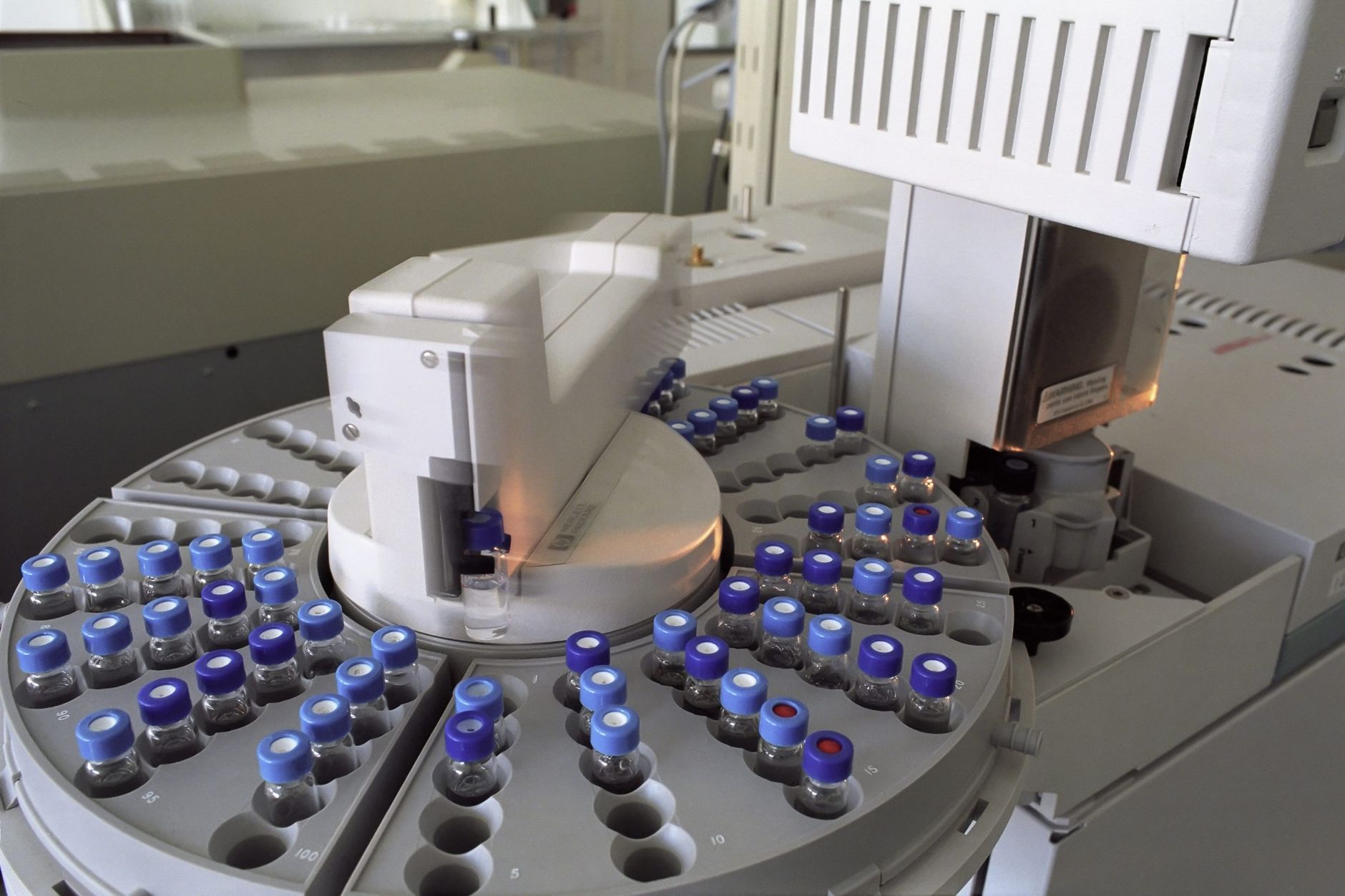
Common uses: from injury recovery to gut health
Within the boundaries of research use, BPC-157 is most often discussed in terms of experimental applications rather than consumer “uses.” Examples found in the literature include:- Athletic injury studies: Preclinical injury models (often involving induced tendon or muscle damage) that measure tissue remodeling, inflammatory markers, and functional/biomechanical endpoints.
- Gastrointestinal repair studies: Models of mucosal injury that assess epithelial integrity, permeability-related measures, and histologic changes.
- Neurological repair models: Early-stage studies exploring nerve injury and regeneration endpoints in animals, an emerging area within peptide research (source).
For in-depth information, read our guide on science peptides.
Is BPC-157 safe? Potential side effects and considerations
Safety conclusions are limited by the evidence base. While some preclinical toxicology observations have reported no overt toxicity under specific study conditions, these findings do not establish safety in humans, and they may not generalize across formulations, experimental conditions, or exposure durations. Human clinical data remain limited.Some publications and anecdotal reports discuss local reactions in experimental contexts; however, non-clinical observations should not be treated as a substitute for controlled safety studies.
Key considerations:
- Prioritize purity (research context): For laboratory work, documentation such as third-party analytical testing and clear chain-of-custody helps reduce confounding from contamination or mislabeling.
- Interpret claims cautiously: Mechanistic signals in animals or cells may not translate to clinical outcomes.
- Avoid self-experimentation: Laboratory-grade compounds are intended for research settings; personal medical decisions should be discussed with a licensed healthcare provider.
How to use BPC-157: what the research says
Peer-reviewed studies use BPC-157 under controlled experimental protocols that vary by model (cell culture vs. animal), target tissue, endpoints, and methodology. Because protocols are designed for specific research questions, they are not interchangeable across settings, and this article does not provide dosing, administration, or handling instructions for non-laboratory use.For background on how research suppliers present product documentation (e.g., analytical reports and labeling), see our recommended BPC-157 peptide guide.
Where to buy high-quality BPC-157 peptides
For legitimate research procurement, quality controls matter because impurities and mislabeling can invalidate experiments. Criteria commonly cited in research purchasing workflows include:For insights into trusted peptide brands, don’t miss our comprehensive sourcing guide.
Key Takeaways
- BPC-157 is a synthetic 15–amino-acid peptide studied primarily in preclinical research models focused on tissue repair biology, inflammatory signaling, and gastrointestinal mucosal integrity.
- The evidence base is largely non-human; findings from animal and in vitro studies do not establish clinical effects in humans.
- For research sourcing, documentation, analytical testing transparency, and supplier quality systems help support reproducible laboratory work.
Frequently Asked Questions
What is BPC-157 peptide?
BPC-157 is a synthetic 15–amino-acid peptide inspired by peptides described in gastric tissue research. In the peer-reviewed preclinical literature, it is investigated for its effects on experimental endpoints related to tissue repair and inflammation pathways.Is BPC-157 safe?
Preclinical studies have evaluated toxicity and tolerability under specific experimental conditions, but BPC-157’s safety profile in humans has not been established through robust clinical trials. For personal health decisions, consult a licensed healthcare provider.Can BPC-157 be purchased legally?
BPC-157 is sold by some vendors for research purposes in many regions, including the U.S. It is not FDA-approved as a medicine for humans or animals.How does BPC-157 support gut health?
In gastrointestinal preclinical models, researchers have studied BPC-157 in relation to mucosal injury endpoints, inflammatory signaling, and tissue-level measures of barrier integrity. These findings are model-dependent and do not demonstrate clinical efficacy in humans.Where can I learn more about peptides?
Explore our library of peptide science articles to dive deeper into the world of peptide research.Featured links: Explore BPC-157, NAD+, and science peptides.